Rare Fibre: A Return to Mohair
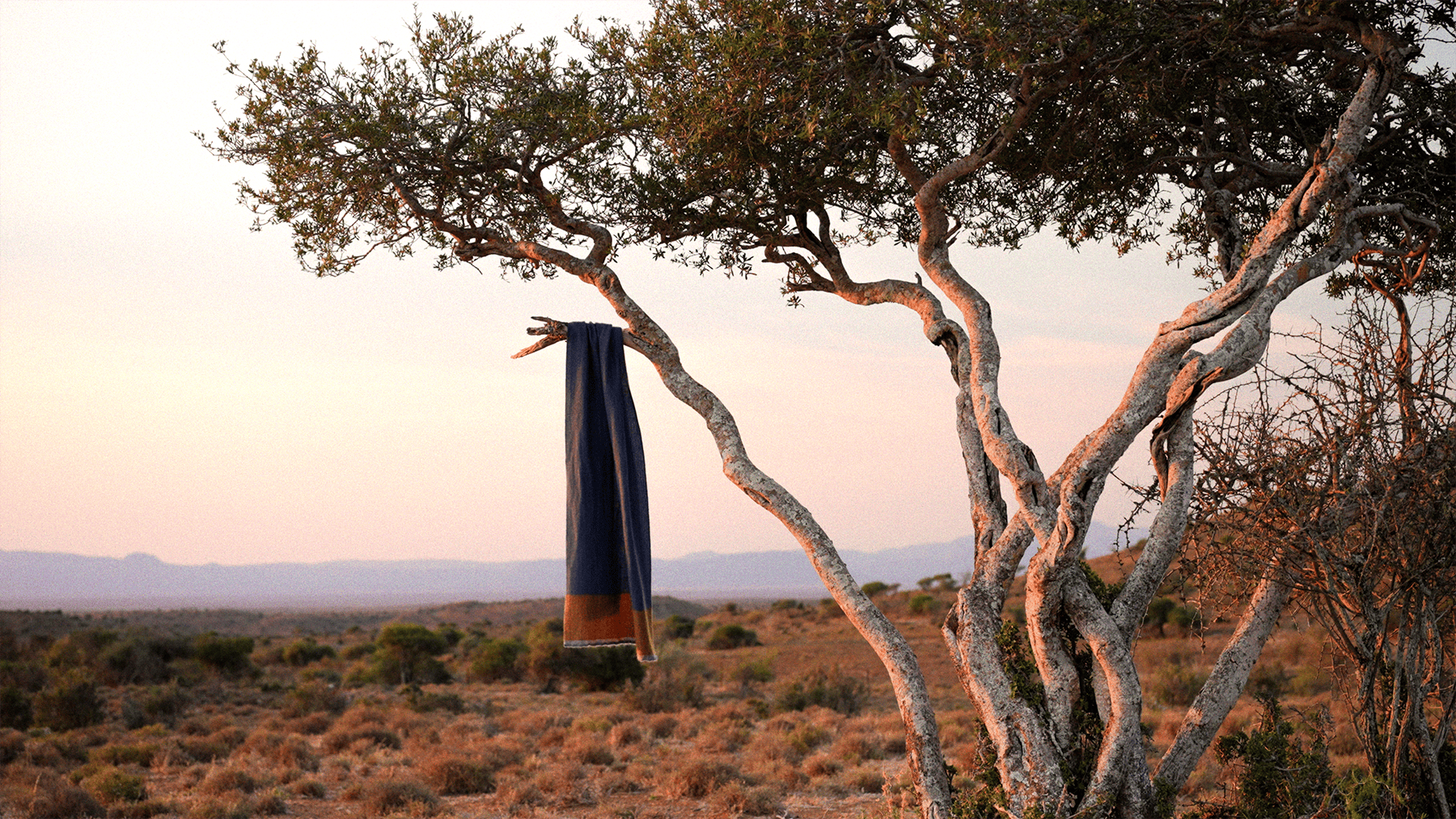
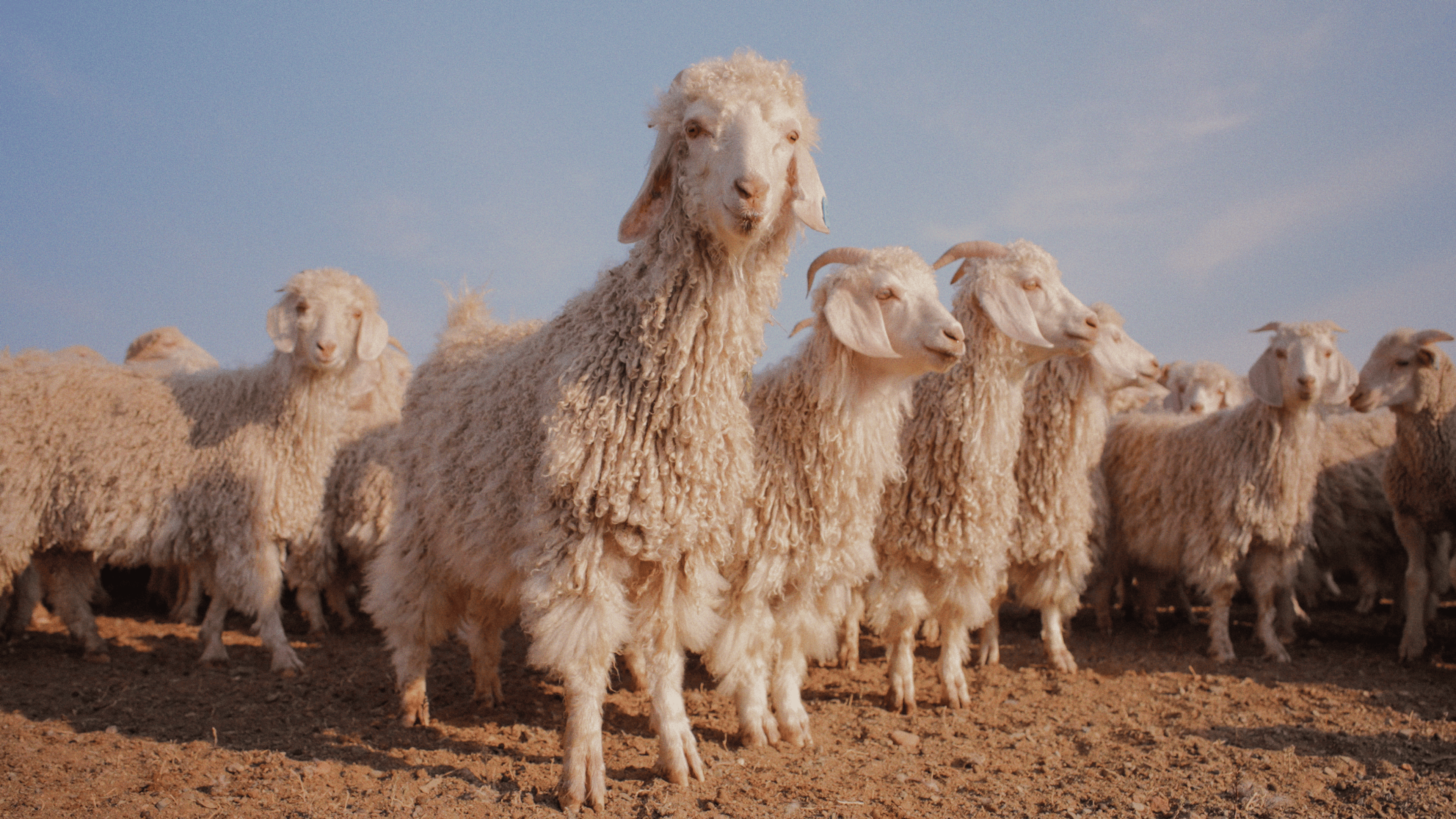
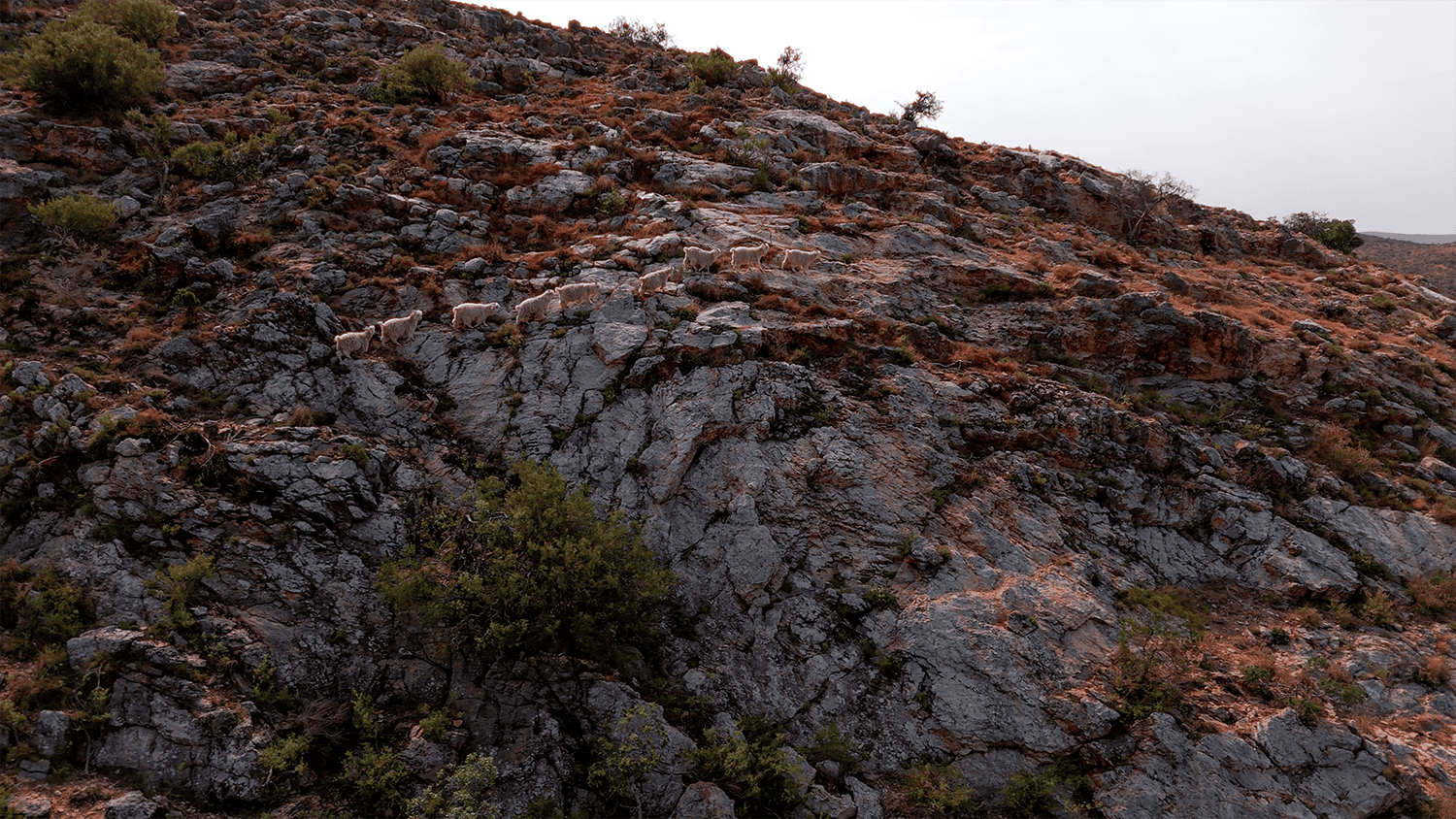
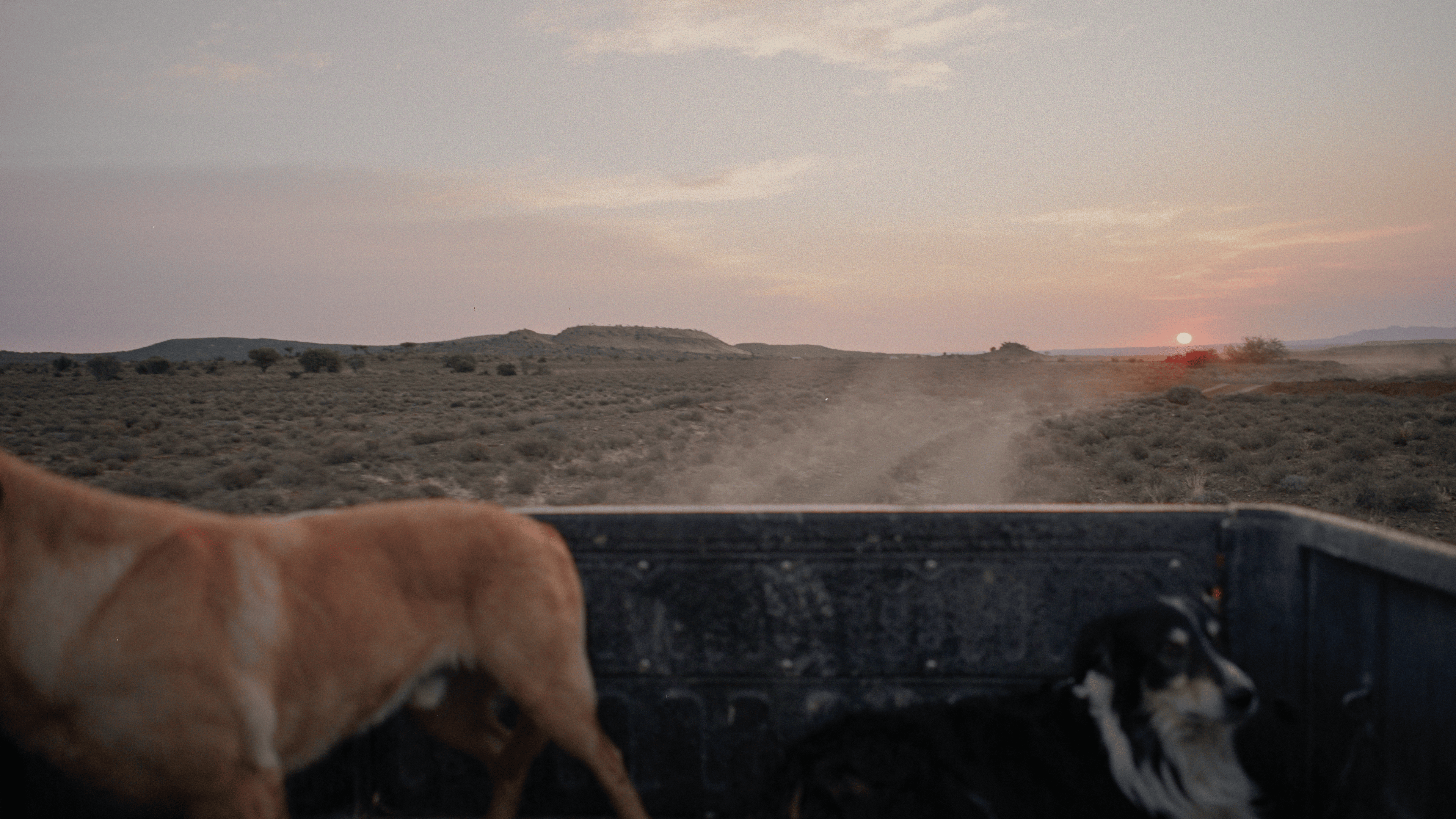
The road into the Karoo stretches out slowly. Fence lines. Orange earth dotted with Spekboom. Goats gathered in loose constellations across the scrubland. From this semi-arid landscape comes one of the world’s most remarkable natural fibres.
Mohair.
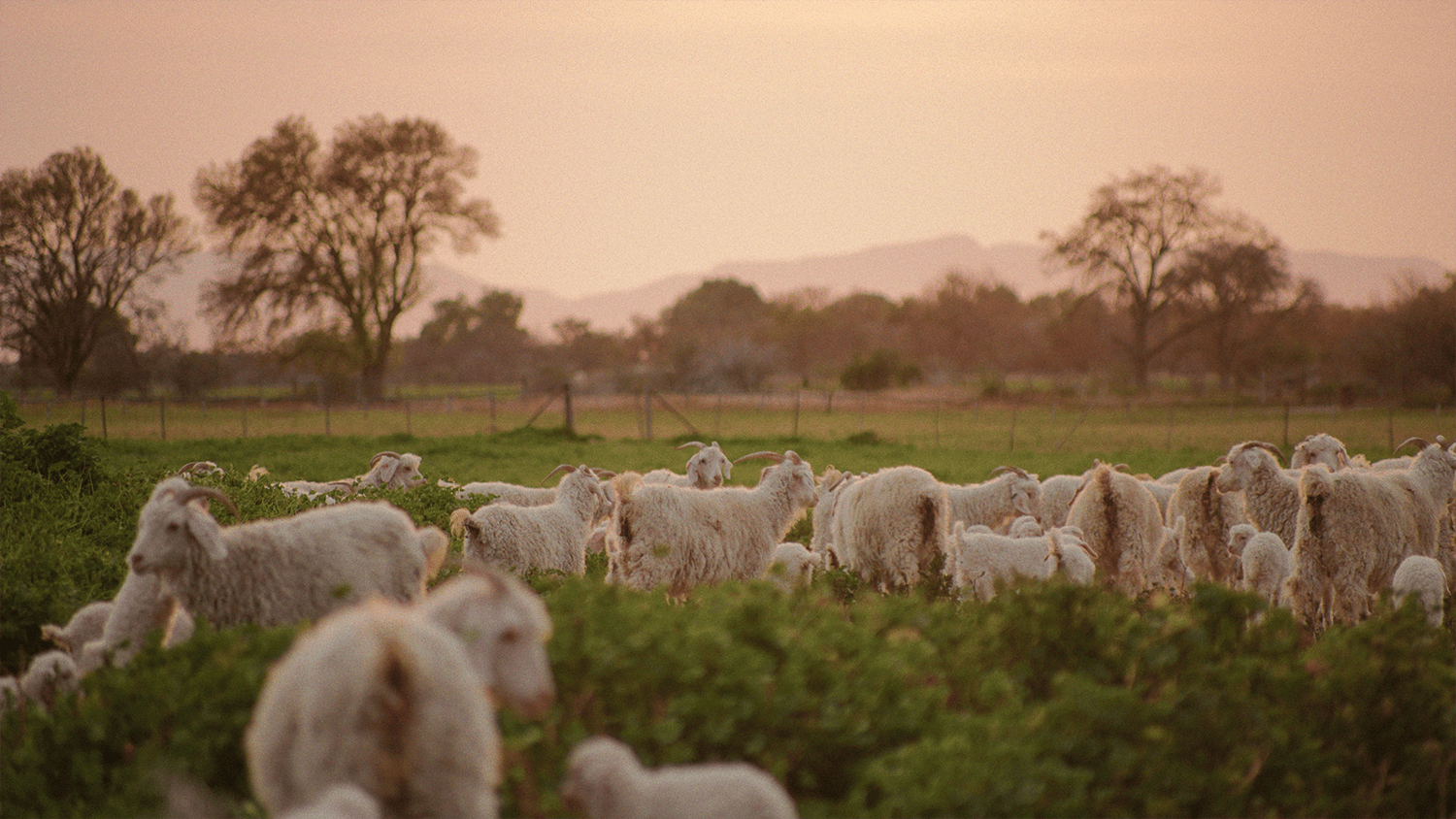
Soft, lustrous and surprisingly strong, mohair has been woven into luxury textiles for centuries. Today, South Africa produces around two-thirds of the world’s mohair, much of it coming from Angora goats farmed across the Eastern Cape.
South Africa produces around two-thirds of the world’s mohair, much of it coming from Angora goats farmed across the Eastern Cape.
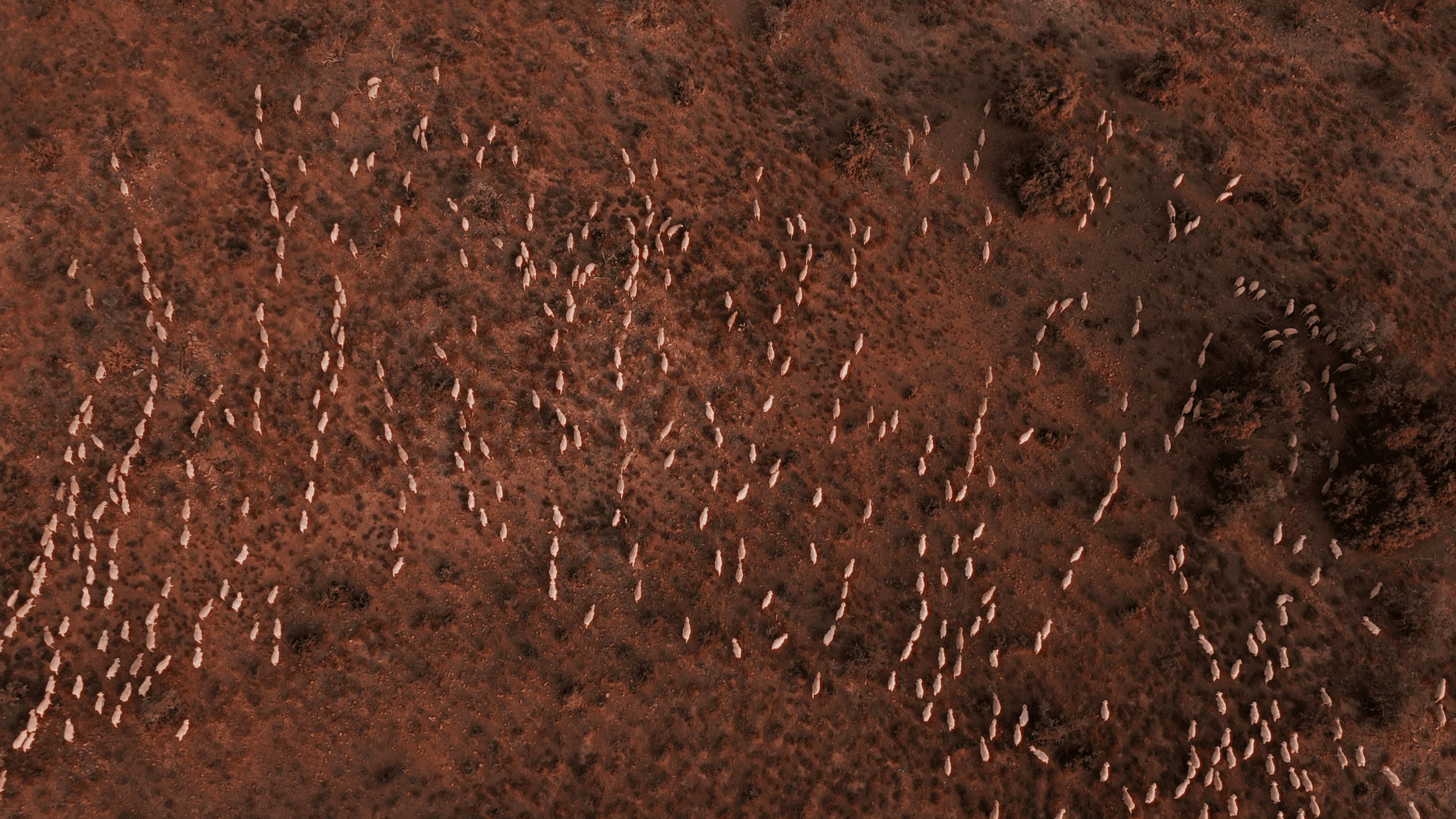
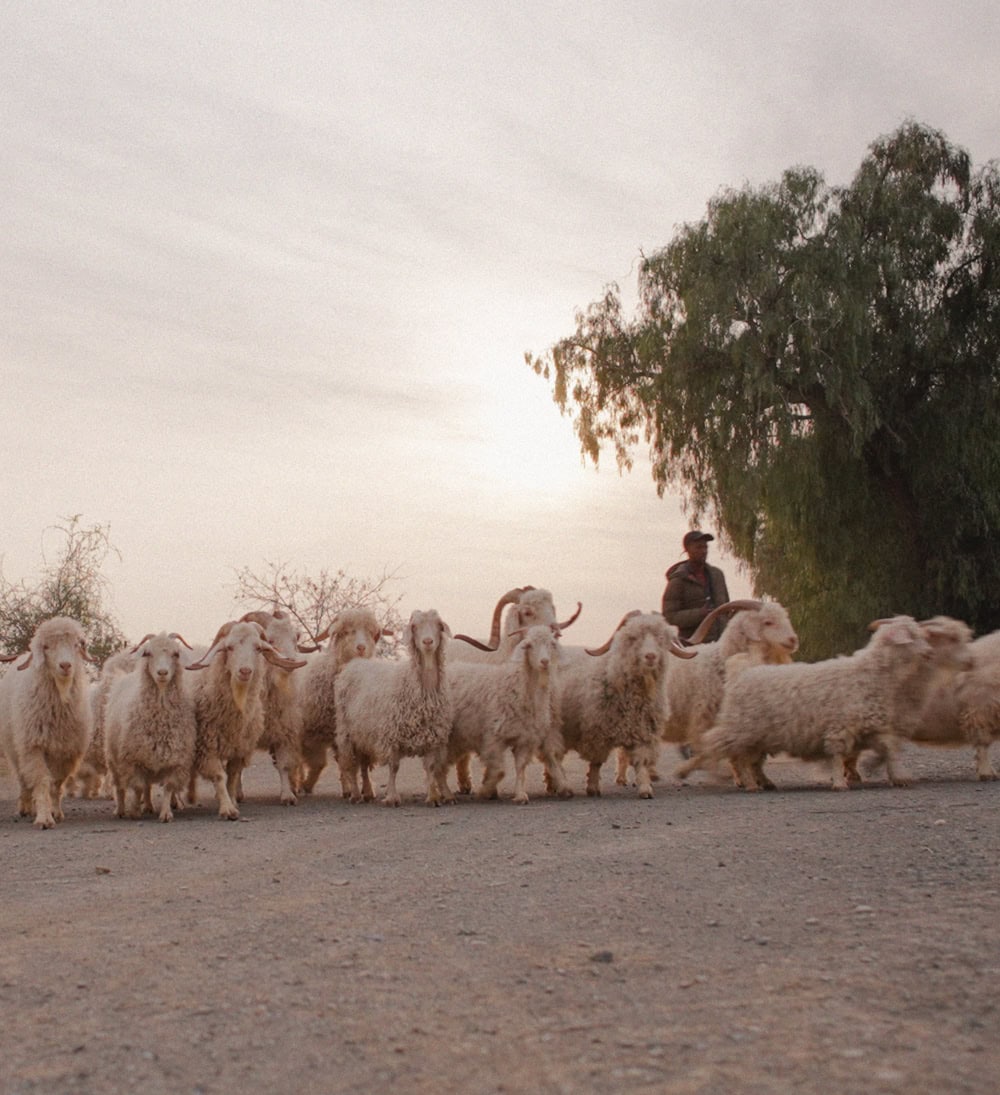
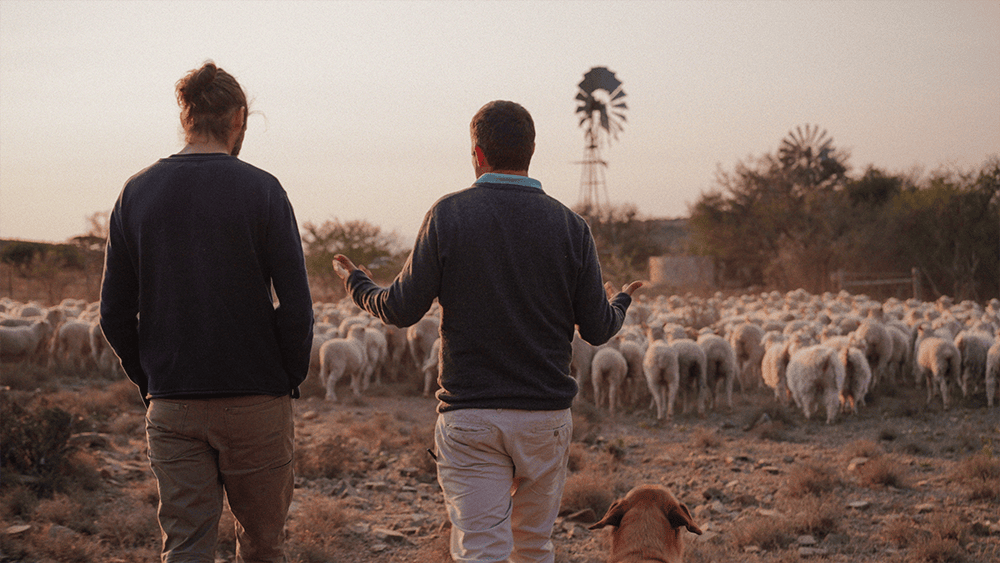
Dax Holding, Mungo MD, chatting to Brett Walker, a seventh-generation farmer in the Karoo.
Recently, we travelled to visit Brett Walker, a seventh generation farmer who raises both sheep and Angora goats using regenerative farming principles. Standing among the goats, it was difficult not to think about how unusual mohair has become in a world increasingly dominated by synthetic fibres. Polyester, nylon, acrylic. Petroleum-derived fibres that have become the norm, making up more that 70% of global fibre production.
Mohair is rare not just as a fibre but as a way of making things. From land, from animal, from generations of knowledge that no machine can replicate. Mohair remains something distinctly natural and increasingly uncommon.
Mohair is rare not just as a fibre but as a way of making things. From land, from animal, from generations of knowledge that no machine can replicate.
A Fibre Unlike Any Other
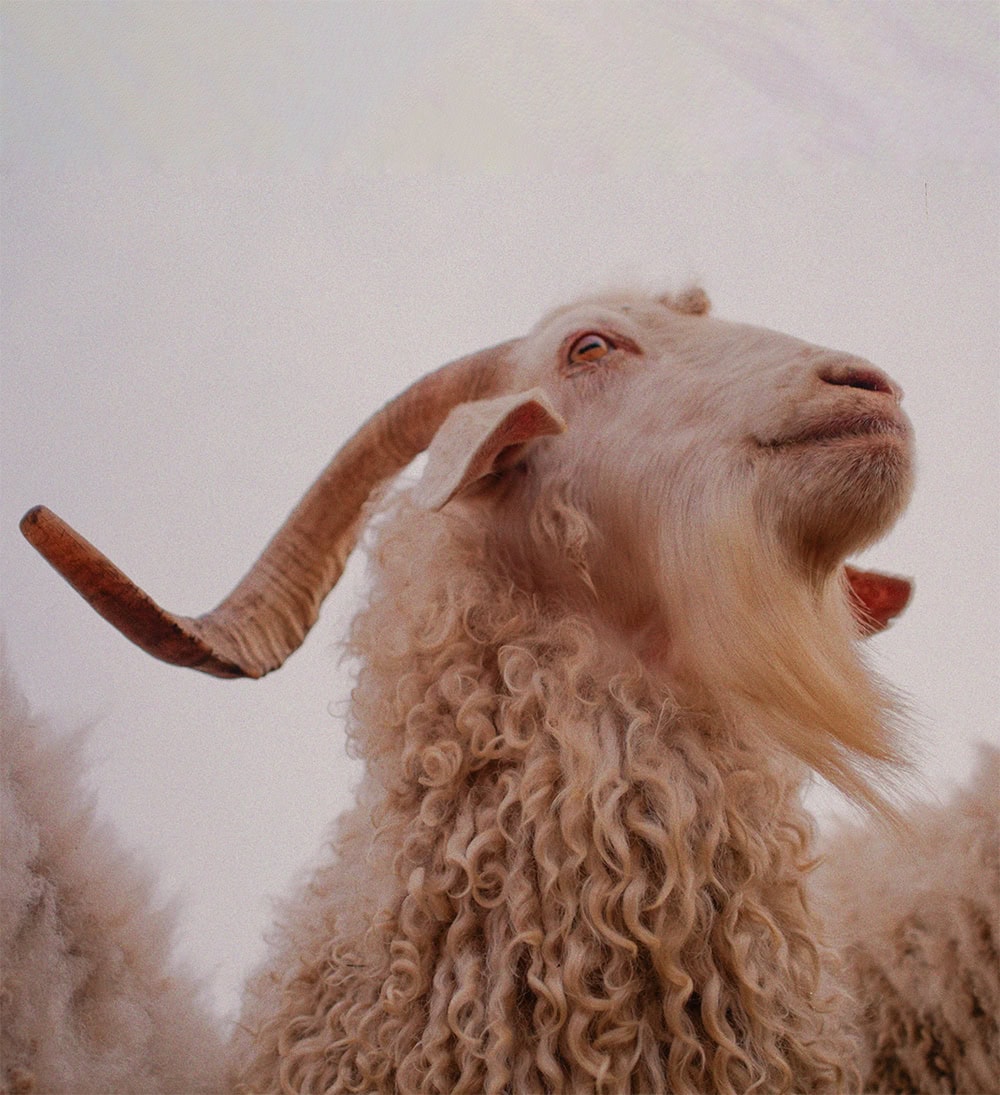
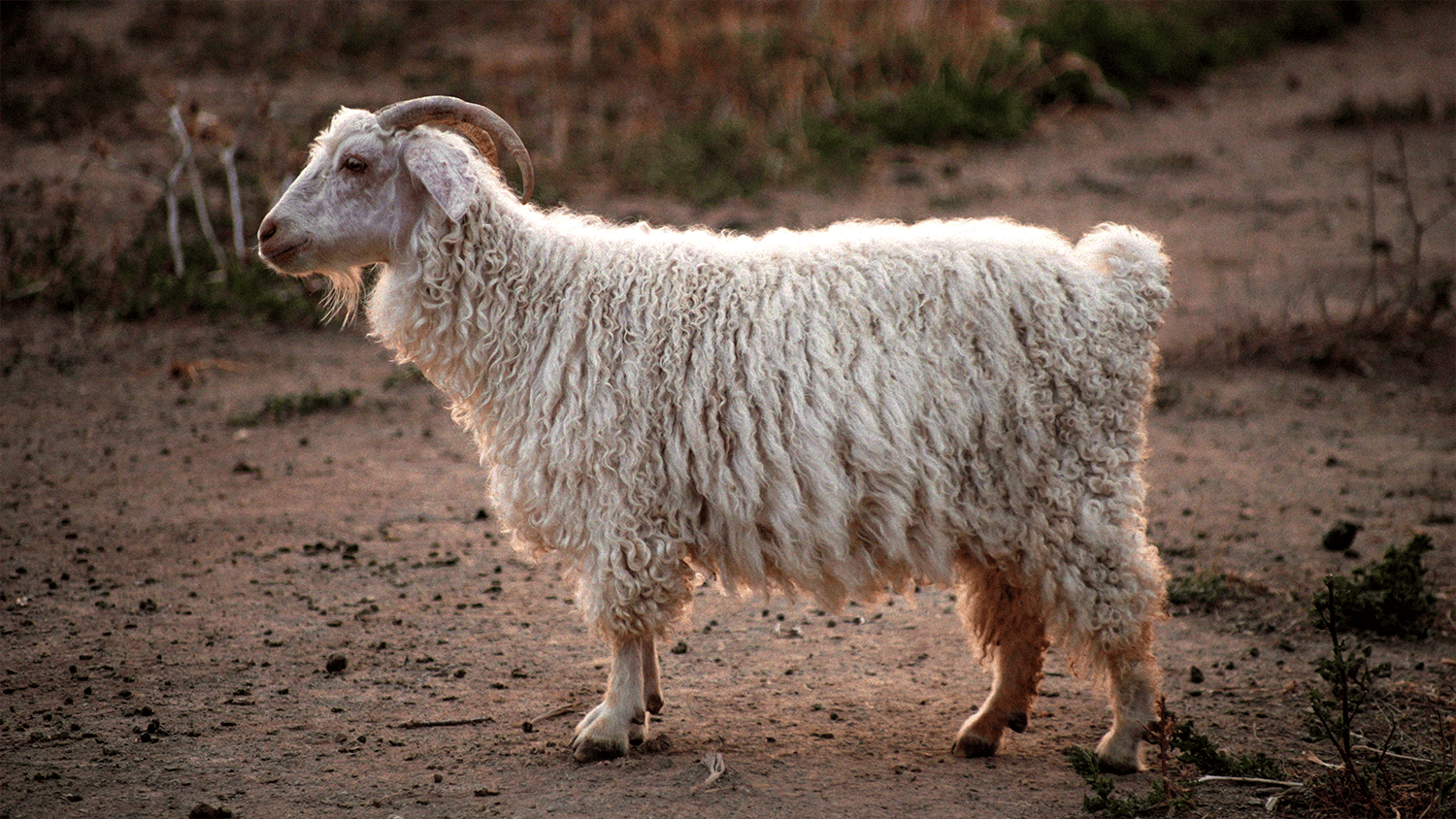
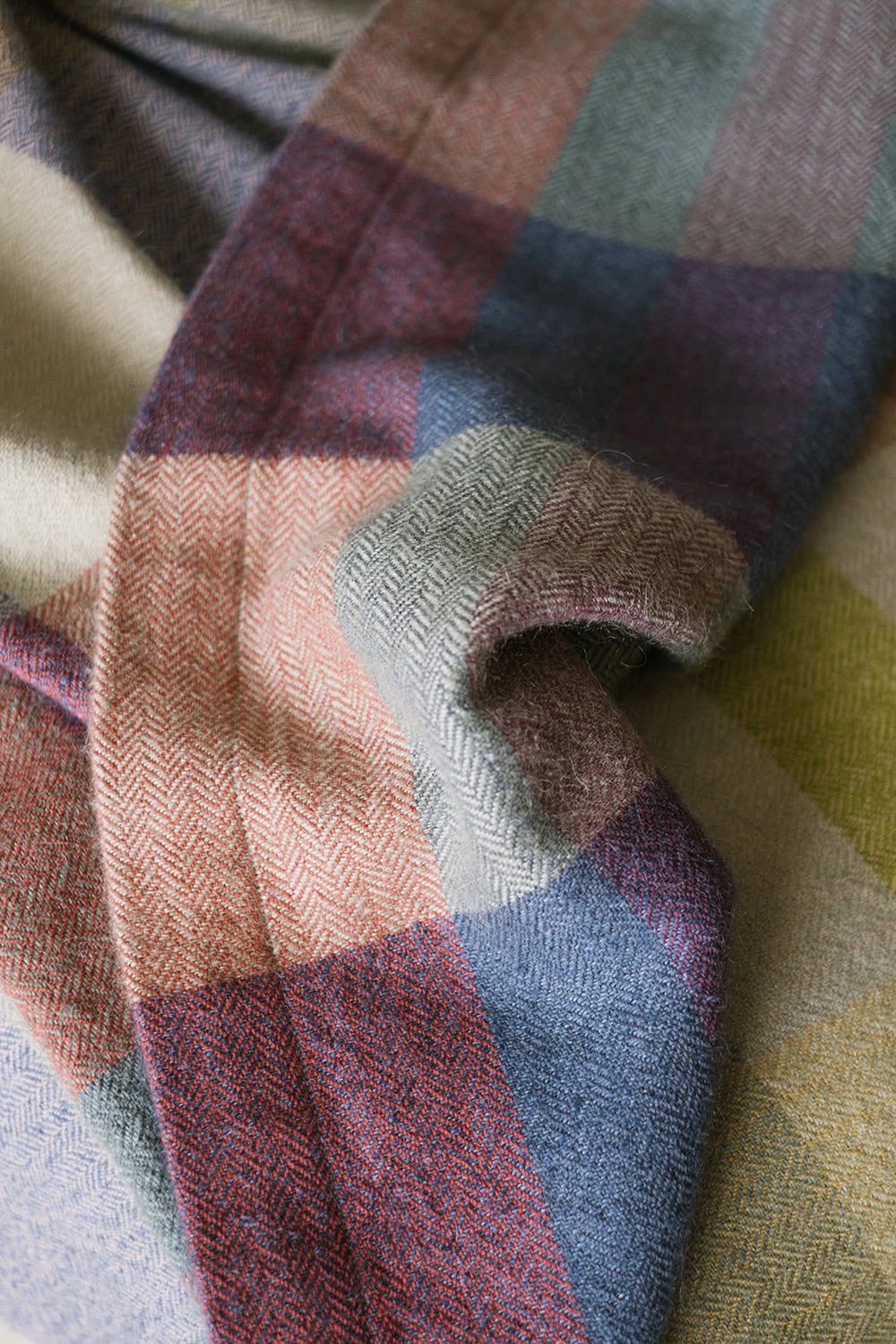
Produced from the fleece of the Angora goat, mohair is technically not a wool but a hair. This gives it a unique structure and handle. There is a luminous quality to mohair; the dyed yarn appears richer, brighter and more alive than many other fibres. It is also exceptionally durable, resisting wear and creasing while remaining lightweight and breathable.
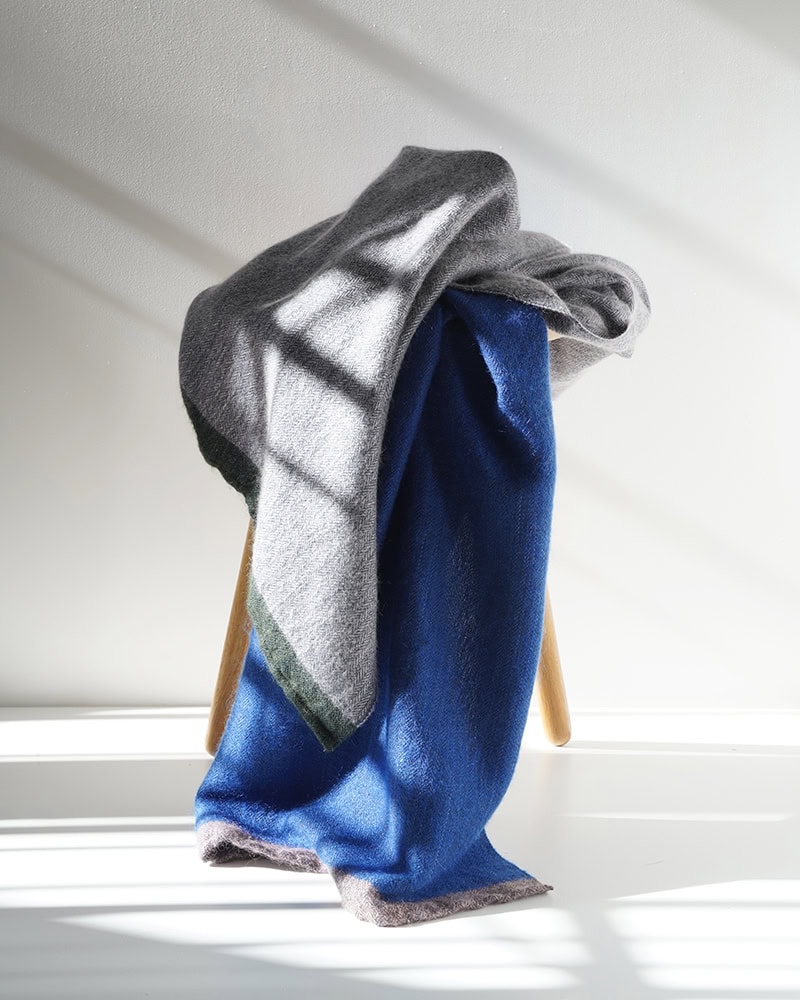
The finest mohair comes from the first shearing of a young Angora goat, known as kid mohair. Softer and finer than later clips, it is considered the most sought-after grade of the fibre. This is the mohair we used in the Mos Wrap.
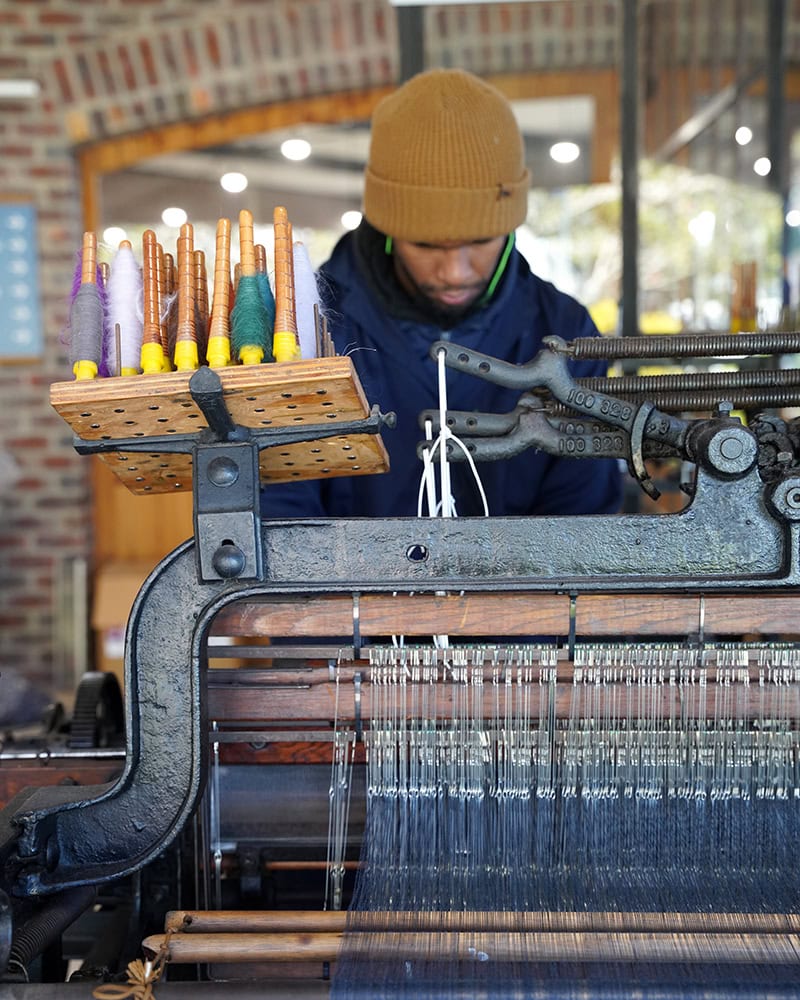
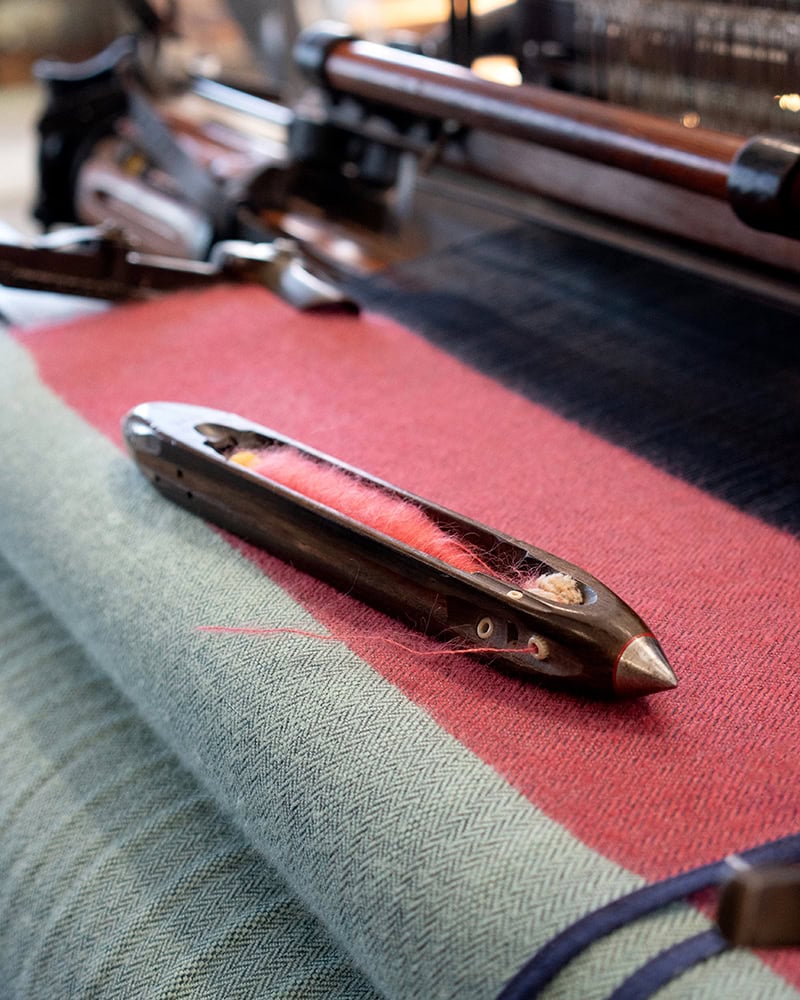
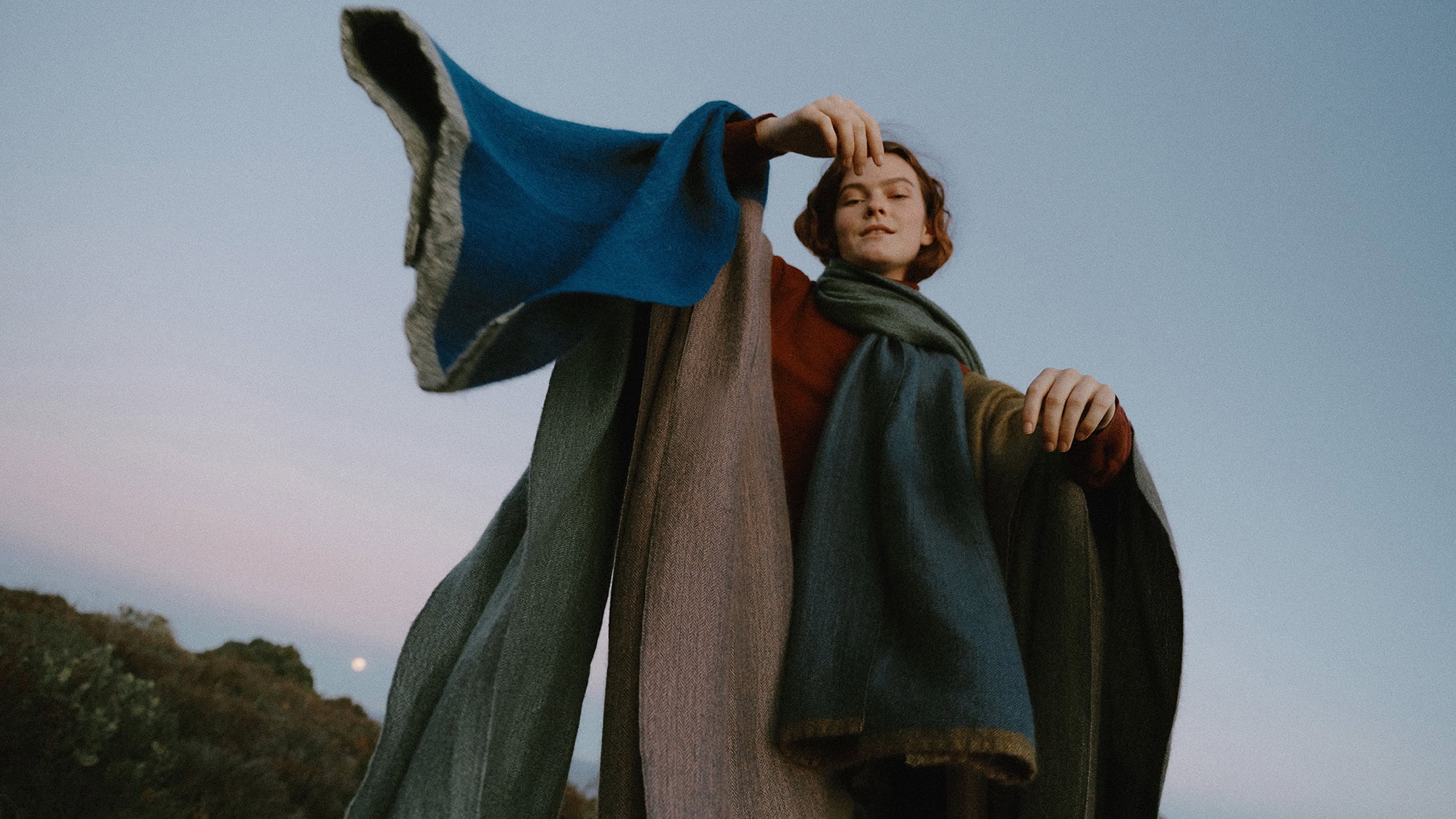
For weavers, mohair presents an intriguing balance of softness and strength. It can create fabrics that feel light and airy yet warm, rich and vibrant. The result is a cloth that feels both luxurious and hardworking – a combination that helps explain why mohair has remained prized for centuries.
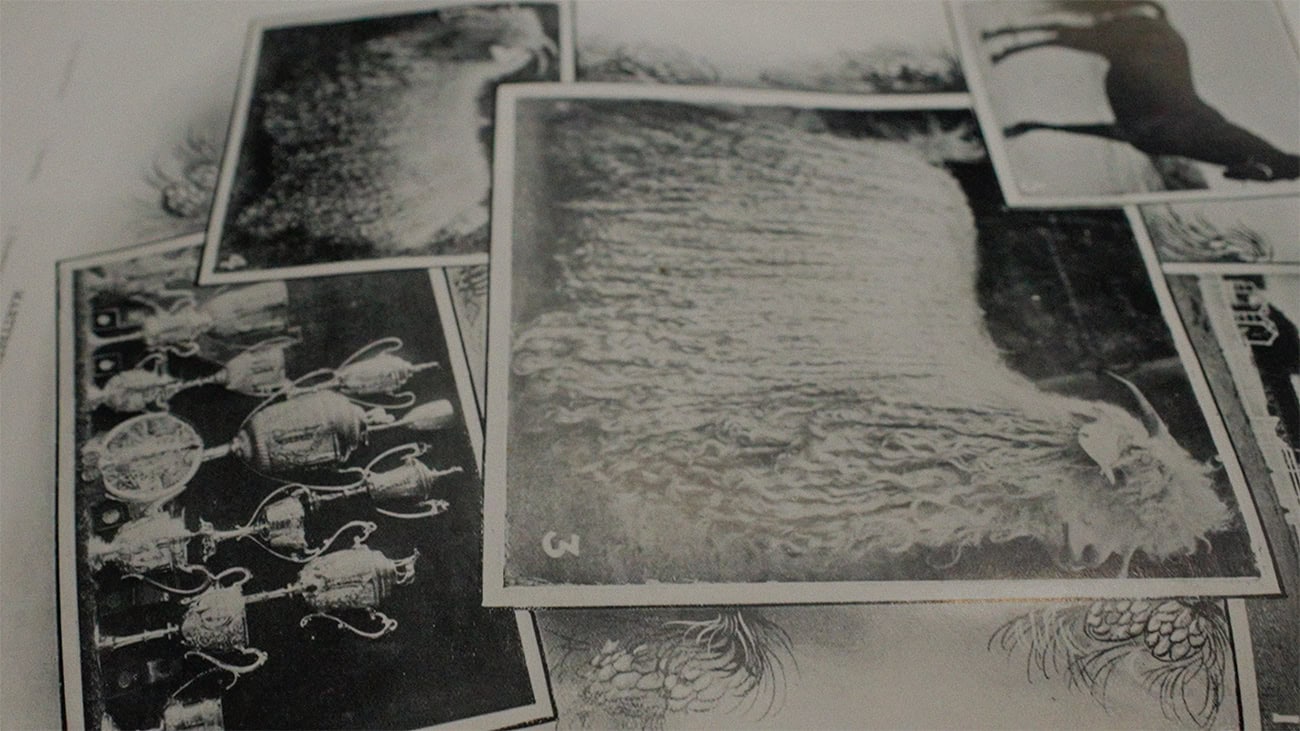
The Goat That Changed Everything
The story of South African mohair begins with what might be one of the greatest agricultural anecdotes.
In 1838, the Sultan of Turkey reportedly gifted twelve Angora goats and a young male kid to a South African farmer. Turkey had long guarded its Angora goat population closely. Mohair was valuable, and exporting breeding stock threatened that monopoly. According to the story, the mature male goats sent abroad were allegedly castrated before shipment to prevent breeding.
But there was a problem.
One young male kid arrived intact. That single goat would become foundational to South Africa’s Mohair industry.
The story captures something essential about mohair: it was valuable enough to protect, difficult enough to acquire, and rare enough to shape the fortunes of a fledgling industry.
Nearly two centuries later, South Africa has become the world’s leading producer of mohair. And the Karoo remains at the centre of it.
Nearly two centuries later, South Africa has become the world’s leading producer of mohair. And the Karoo remains at the centre of it.
Mohair and Mungo
Before the mill in Plettenberg Bay. Before Mungo became Mungo. Mohair was already part of the story.
In the 1980s and 1990s, Stuart produced the distinctive fluffy mohair blankets many South Africans will know. Made with a traditional Scottish weave construction, with their characteristic soft, brushed feel. Candy floss blankets, people called them.
There were jackets too. Mohair from the lower-grade sections of the clip was hand-spun by women in forestry communities in The Crags, then handwoven and made into jackets sold at the original Old Nick Trading Store. Sometimes we still see these relics on customers today.
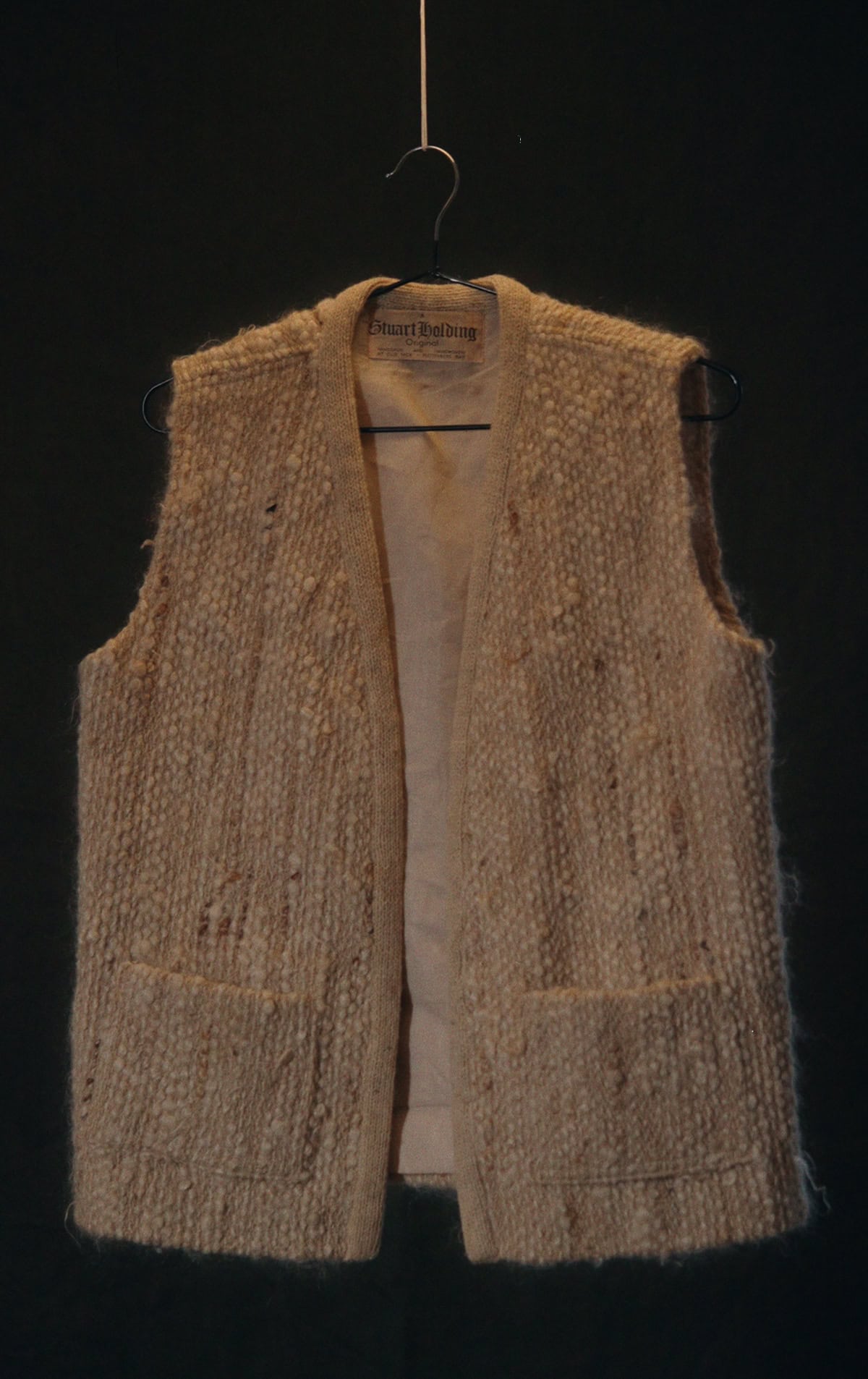
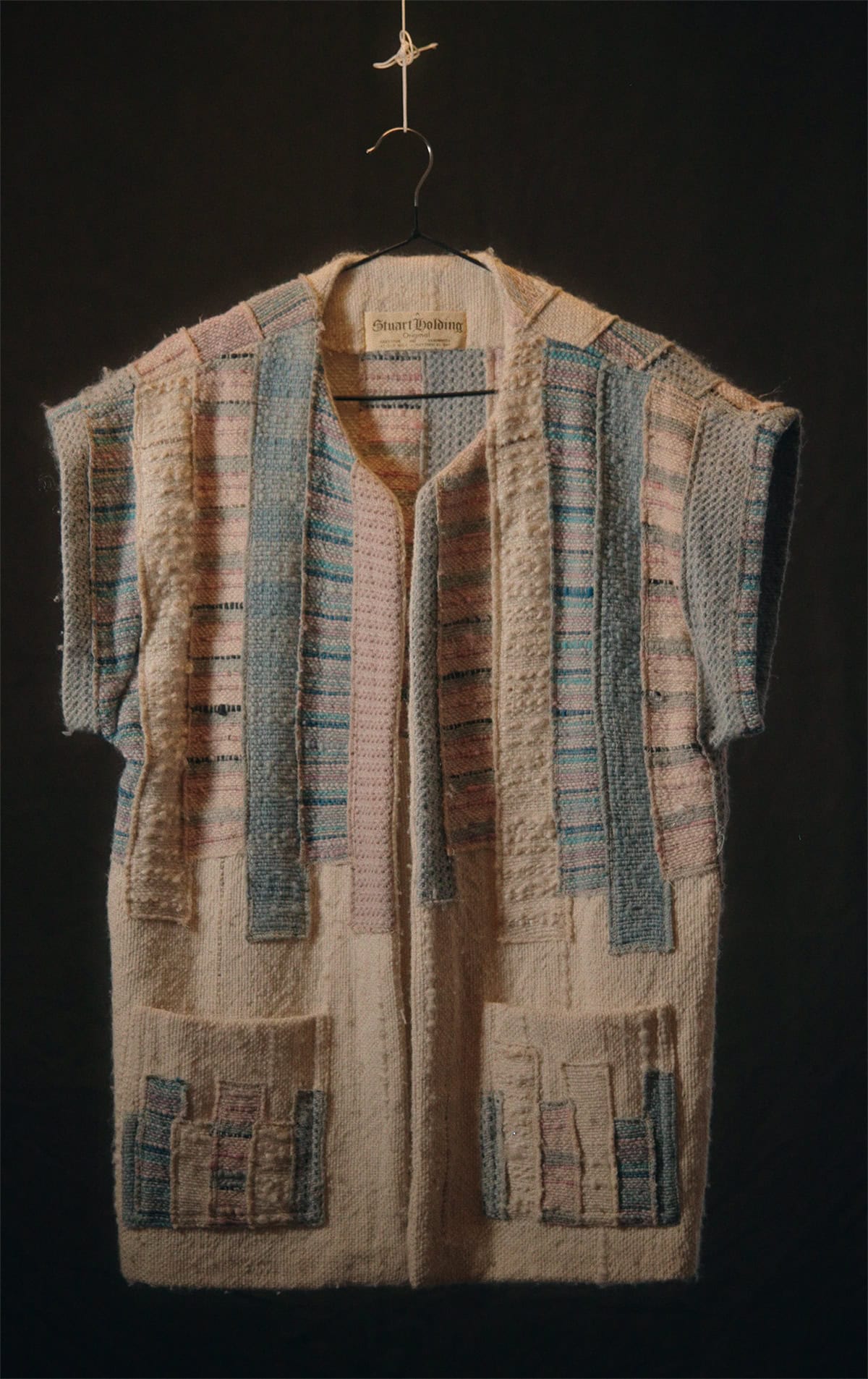
For Stuart, mohair was never simply another yarn. It was a fibre he understood deeply.
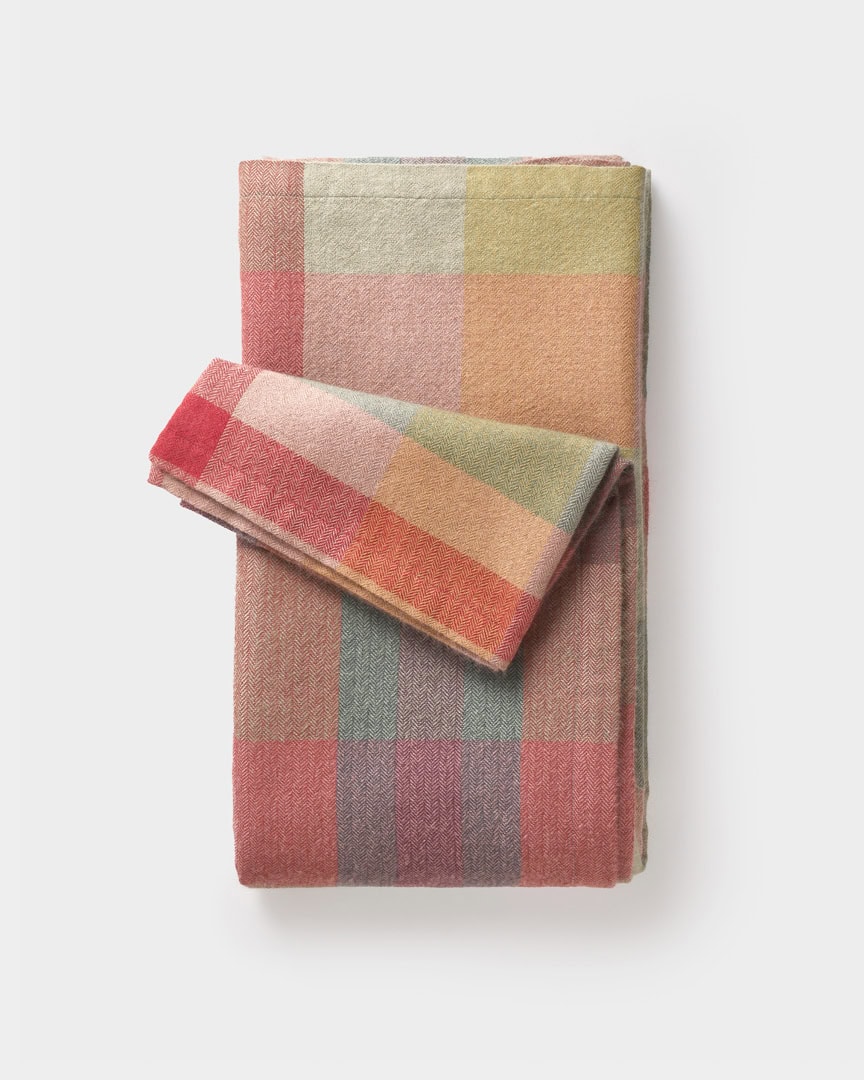
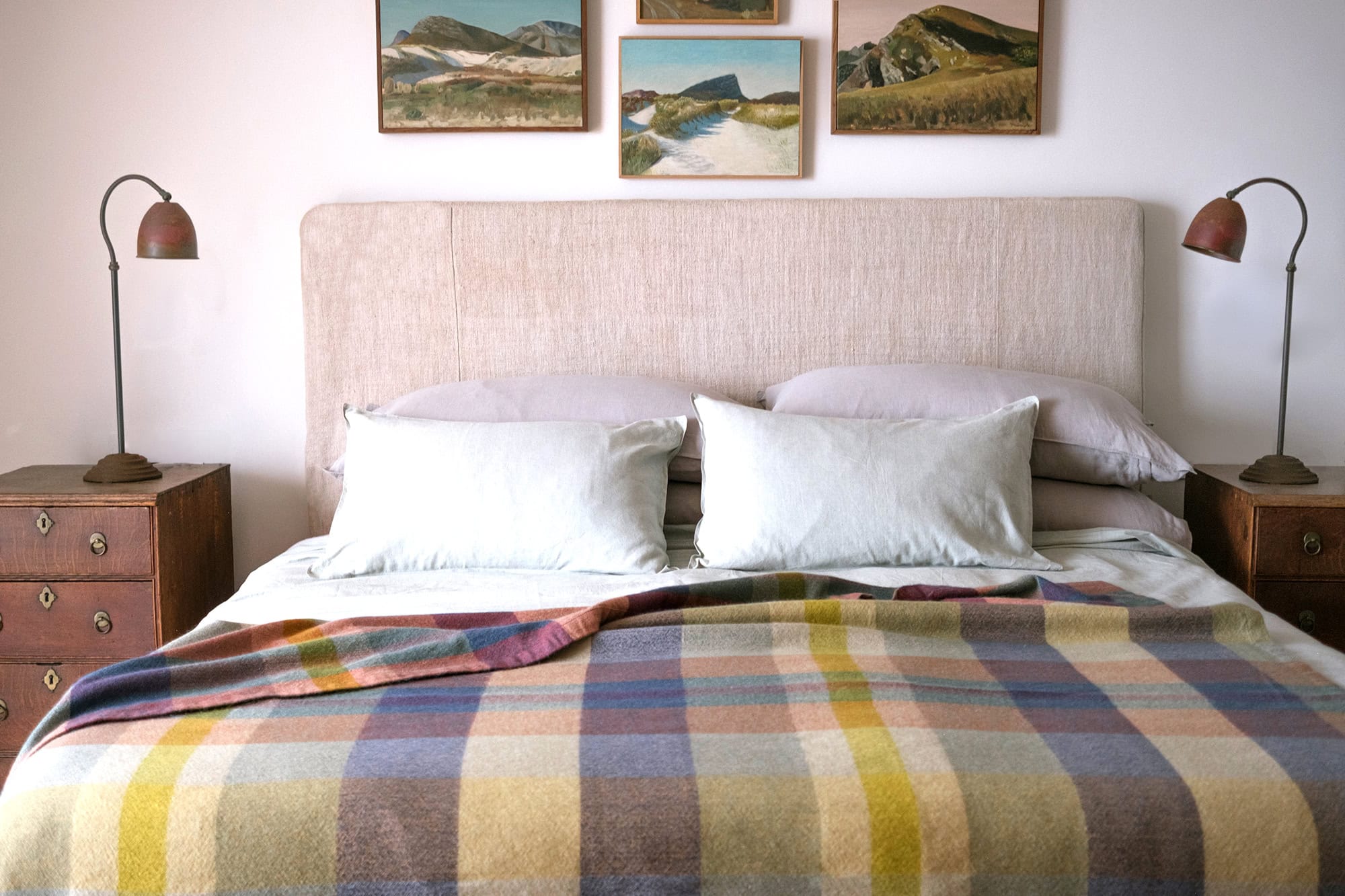
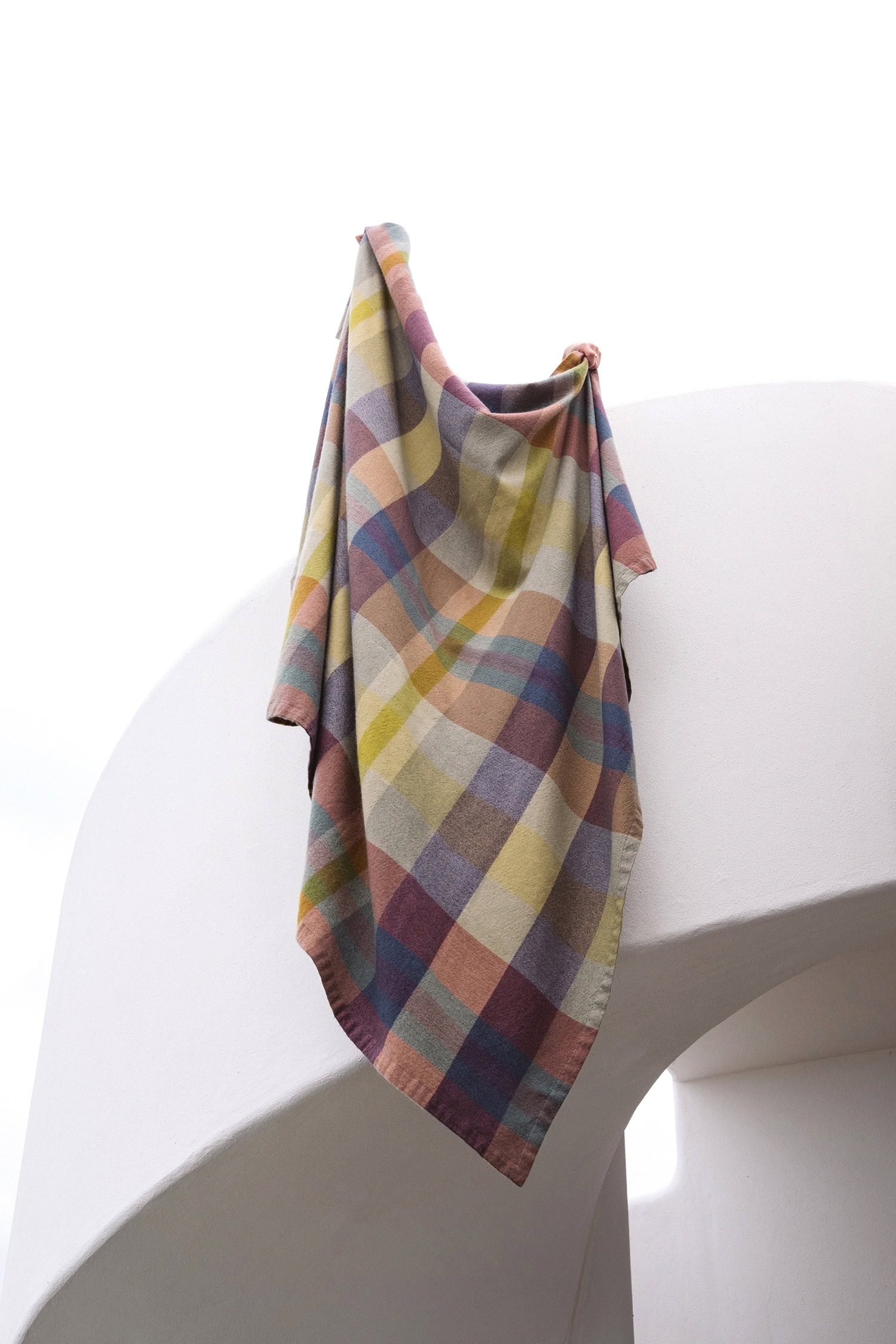
Last year, mohair returned to the Mungo collection with the Mos Scarf. Since then, we’ve continued exploring it’s possibilities, with the development of the Momo Throw – a contemporary interpretation of those iconic fluffy mohair blankets, a dense weave, bold oversized plaid and iconic mohair nap.
Knowing Where It Comes From
Many people are surprised to learn that mohair comes from a goat.
Perhaps that says something about the modern textile industry. We have become accustomed to materials appearing without origin stories. Disconnected from landscape or maker.
Tracing the fibres we use back to a farm, an animal, a place is something we take seriously.
And that is increasingly rare.