The Long Thread – Stu’s Jacket
In the early 70’s, my in-laws had moved to Plettenberg Bay, seeking a calmer life out of the big city. What is now the Mungo flagship store was simply the Old Nick Shop, a building that had been a trading post for over a hundred years. Janet, a potter, would throw pots in one corner. Stuart, the weaver, would weave woollen jackets on a handloom in the other corner and the racks would stand alongside the pots.

Stuart Holding Weaving -1970s
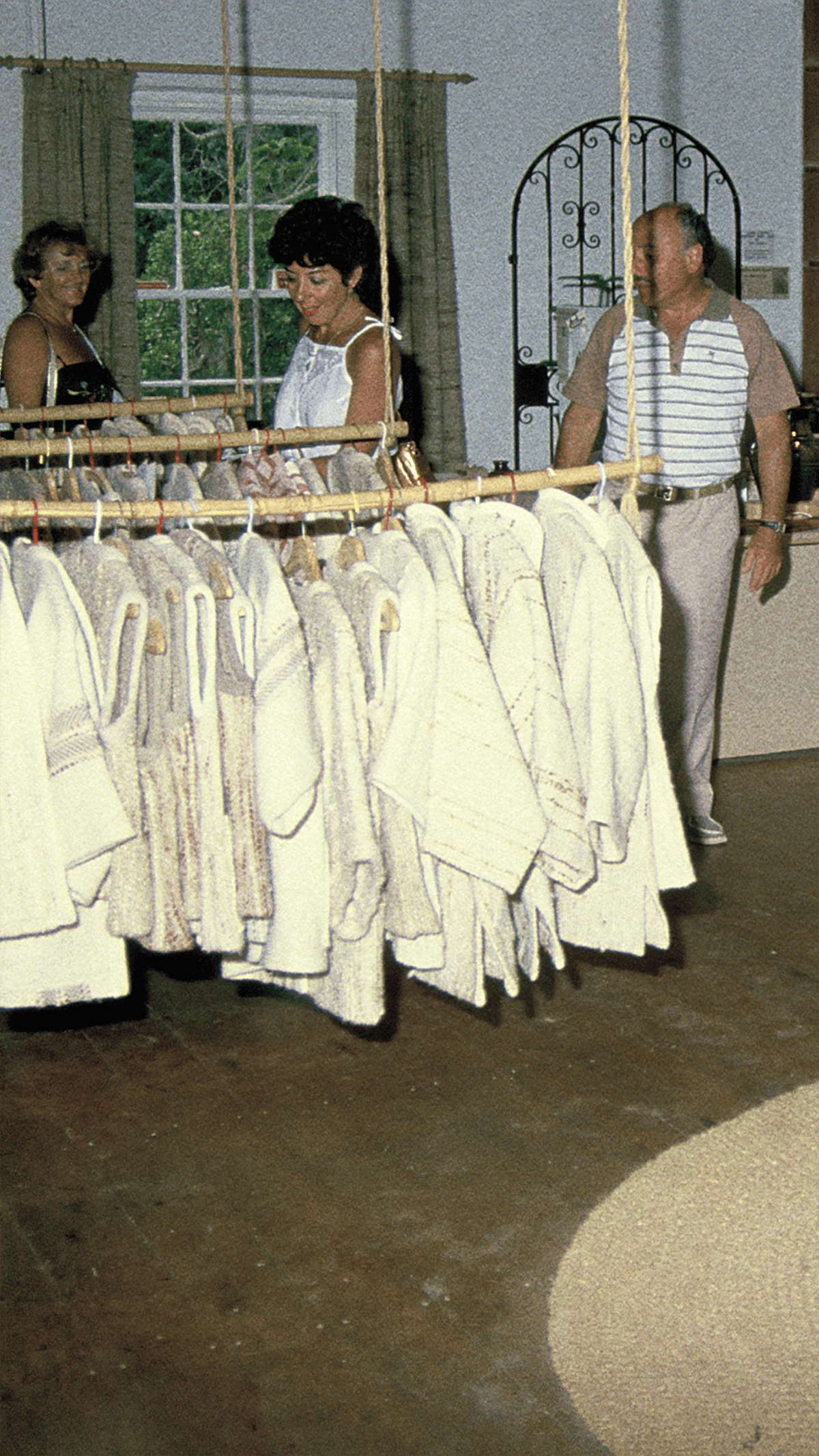
Browsing the jackets at the Old Nick Store
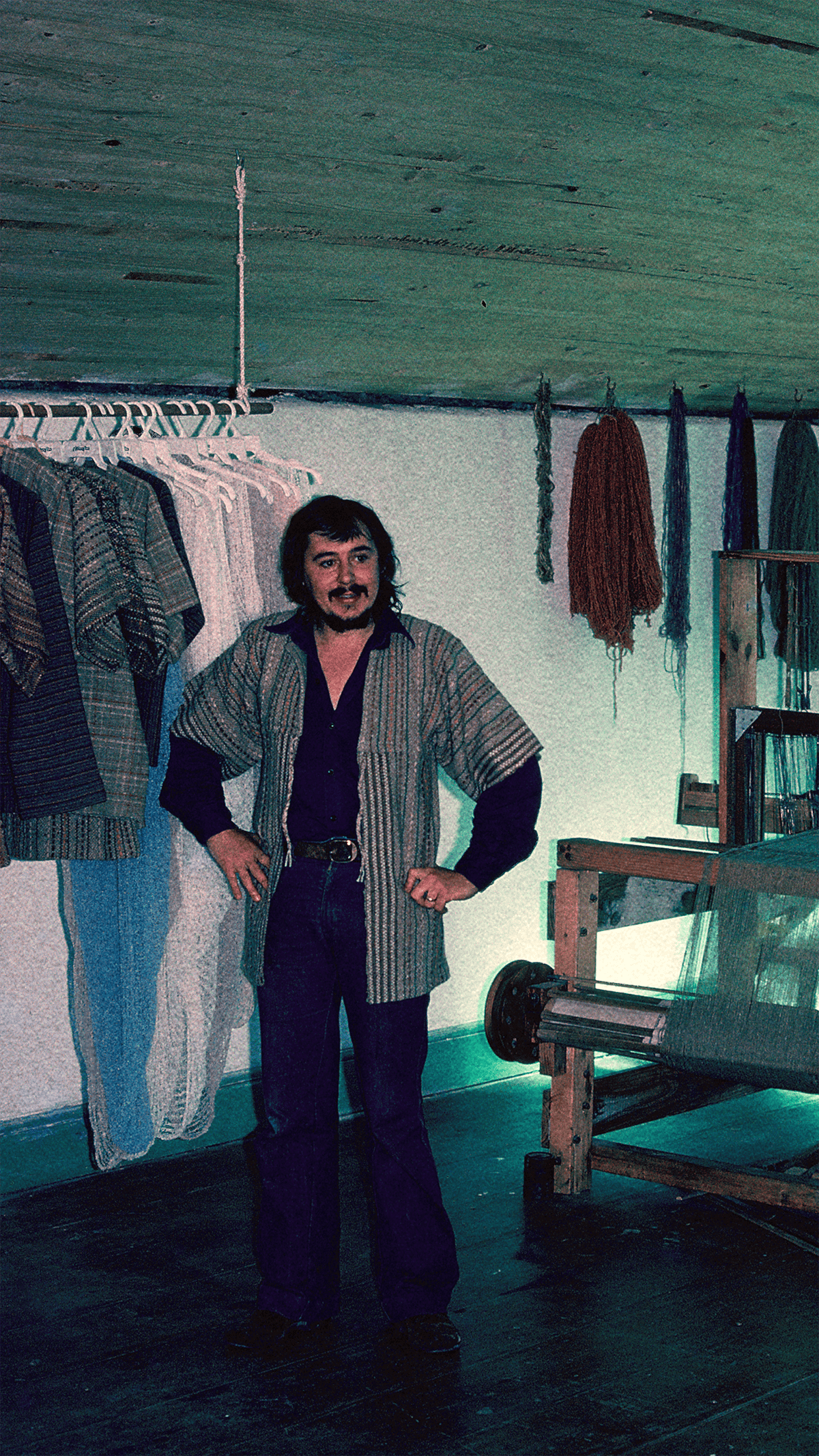
Stuart donning one of his woven jackets.
Years later, we often have visitors to our store telling our shop assistants about visiting in the 70’s and how they still have the woollen jacket they bought back then. Sometimes they even bring them in. Sometimes they smell a little like mothballs.
The fact that they still exist is testament to the longevity of the woollen yarn, the skill of the weaver and the care their owners had for them.
Wool not only provides warmth, it is also resilient. It is a fibre that wears in rather than wears out, developing character through use. Long before sustainability became the buzzword, woollen textiles, like Stuart’s jackets, were made with the expectation that they would be repaired, handed down and lived with for years.
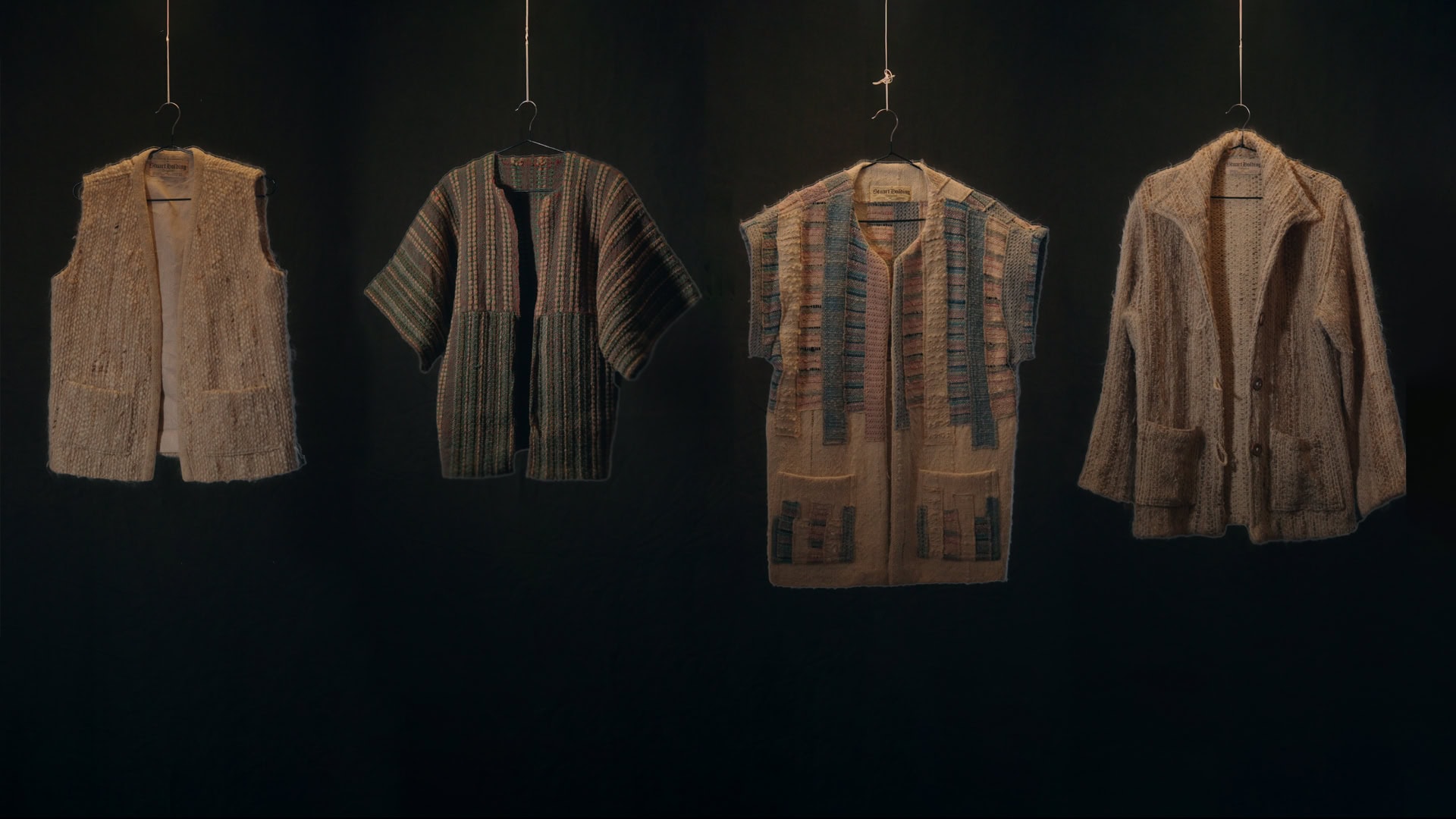
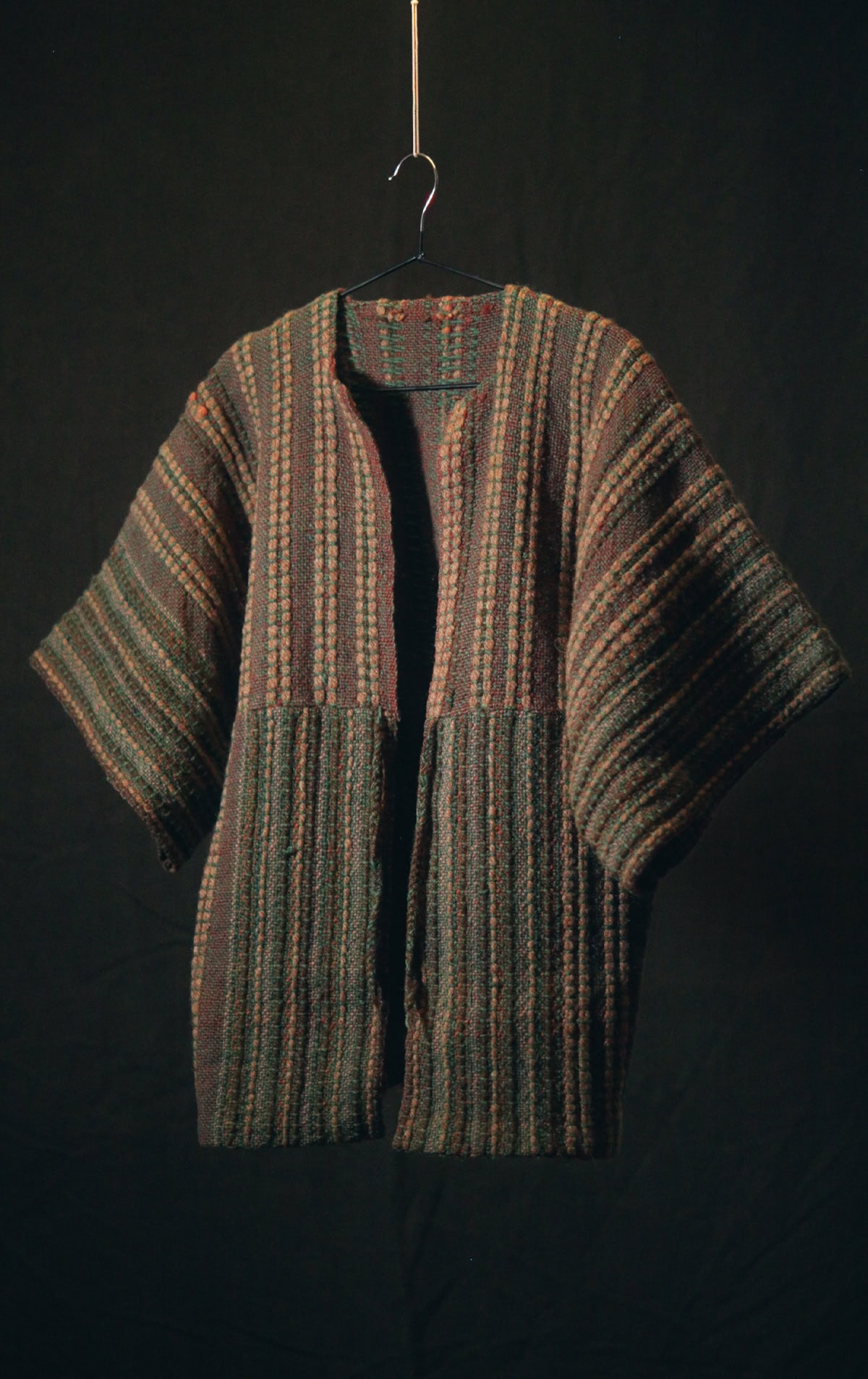
Stuart’s jackets are themselves, in my humble opinion, akin to works of art rather than mere garments. Each woven meticulously by hand and finished with wooden buttons that had been fired in the pottery kiln to give them a unique colour. Bespoke. Individual. Unique. Every buzzword, but before buzzwords were even buzzwords.
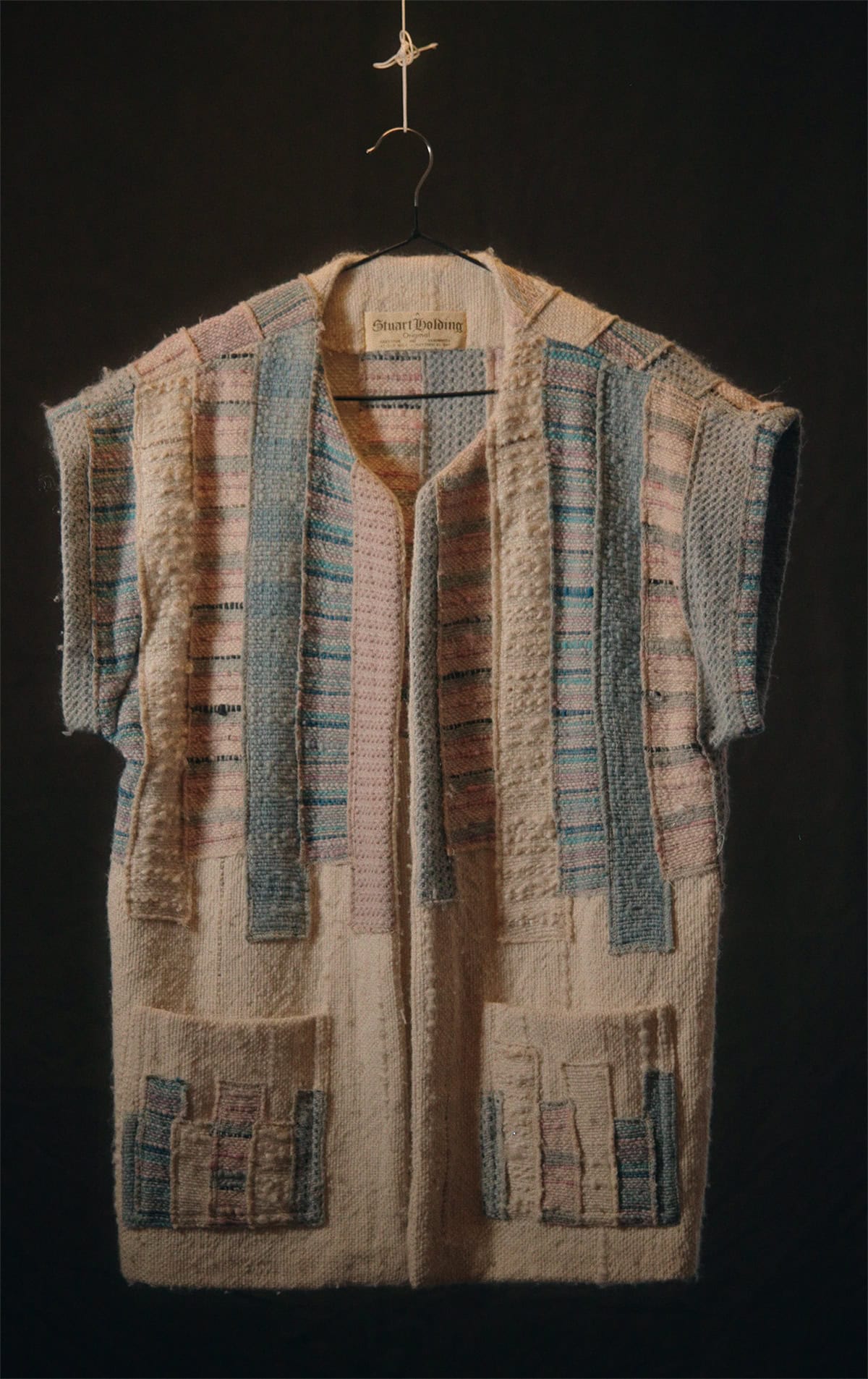
A Stuart Holding original
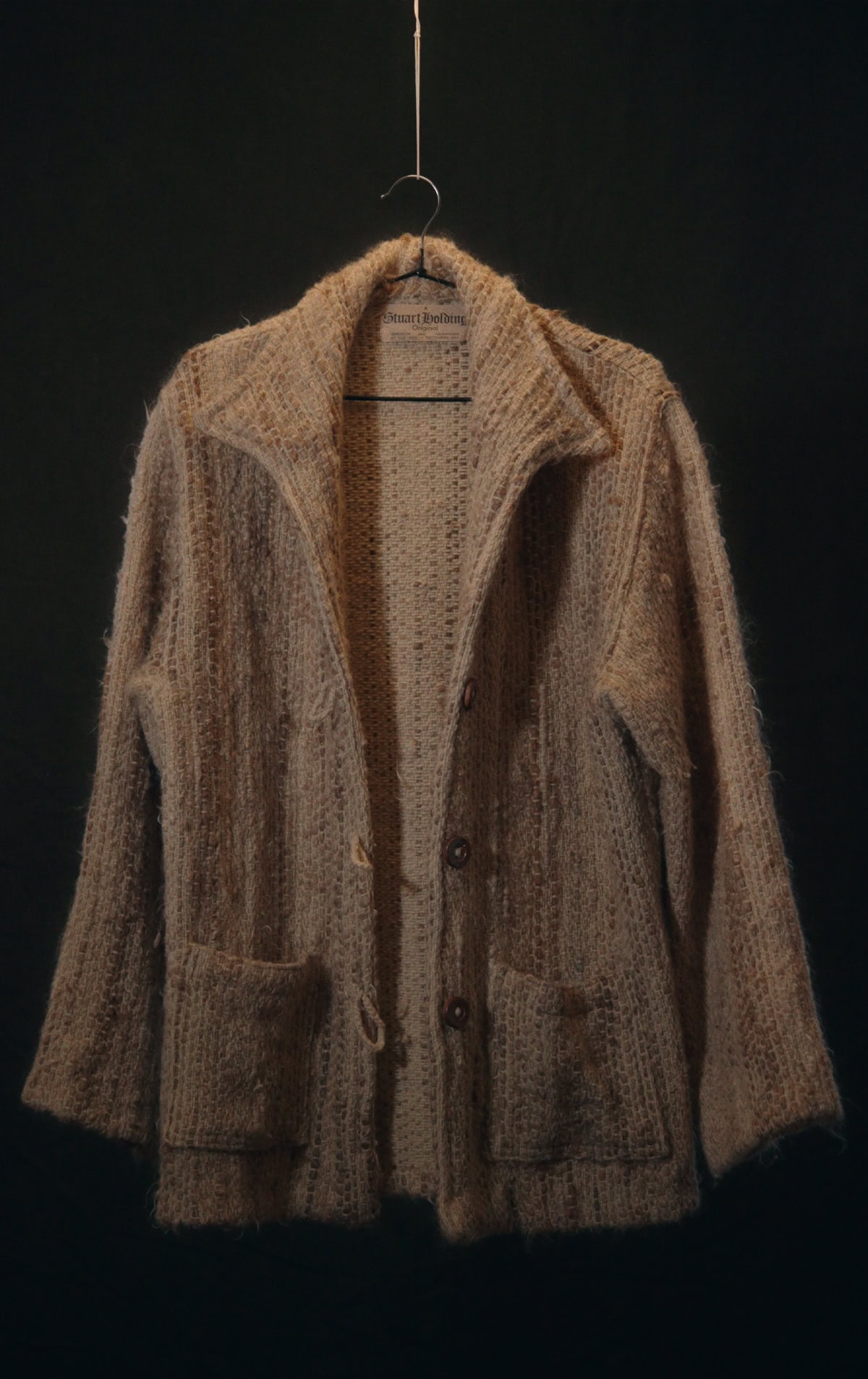
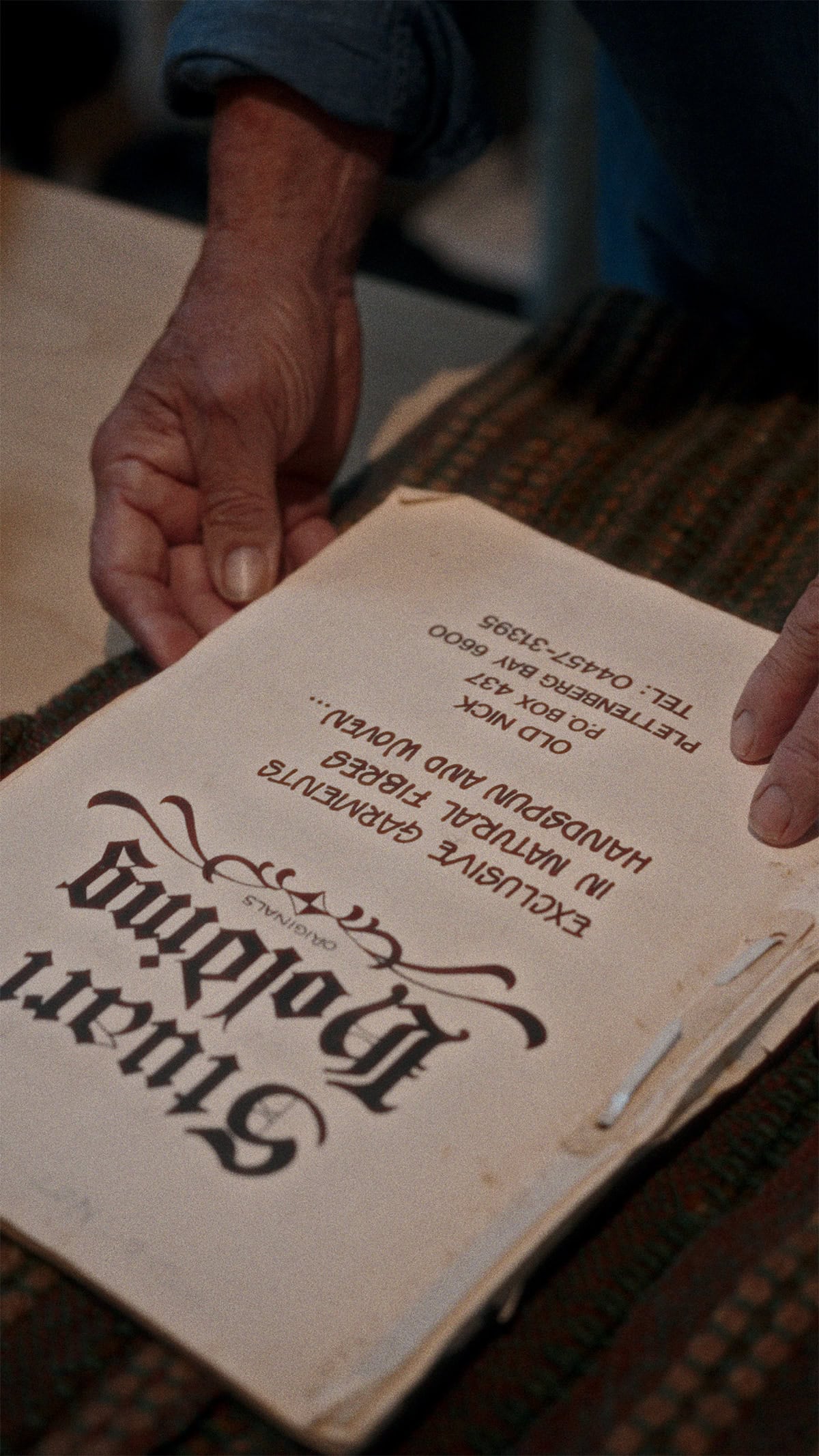
Original label
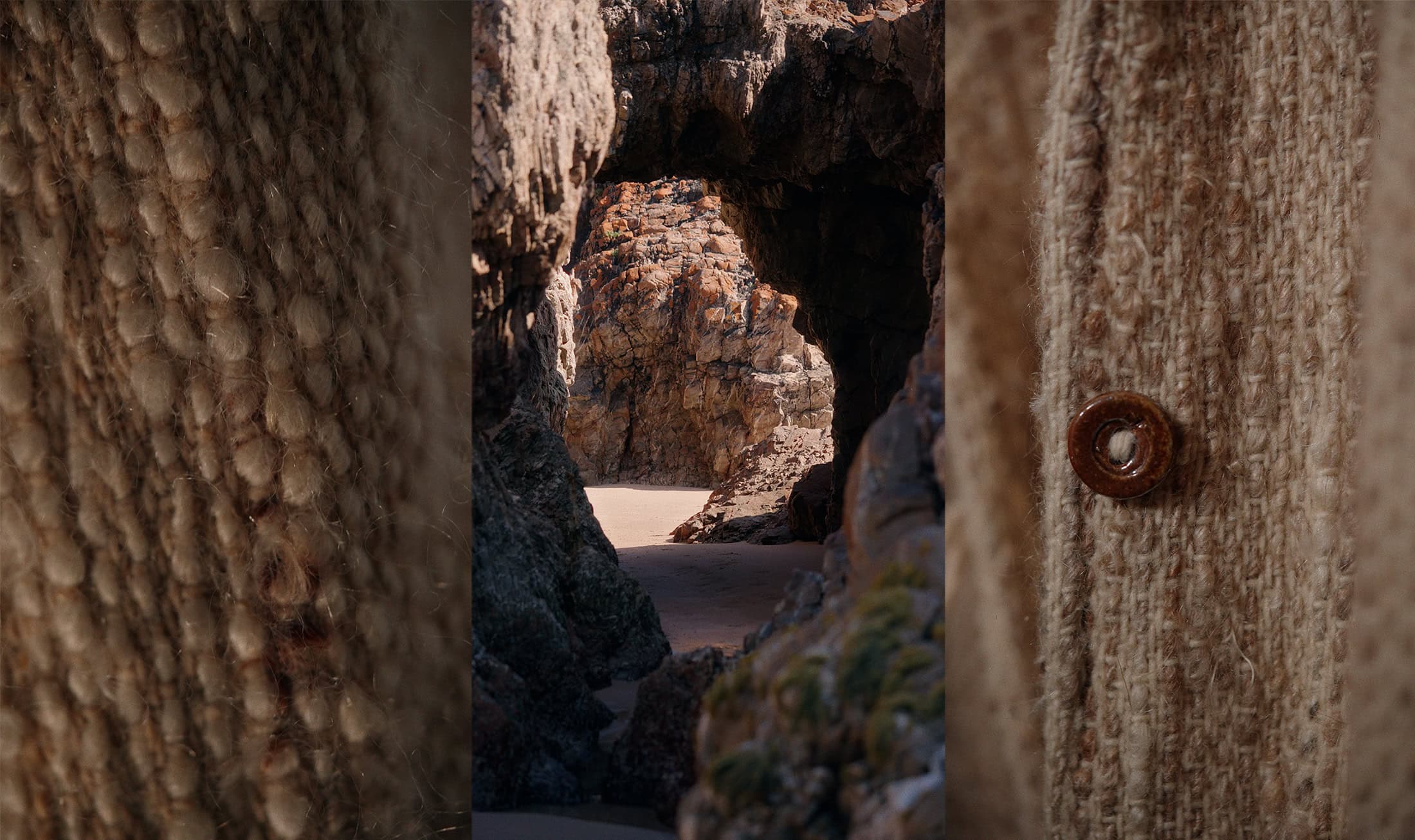
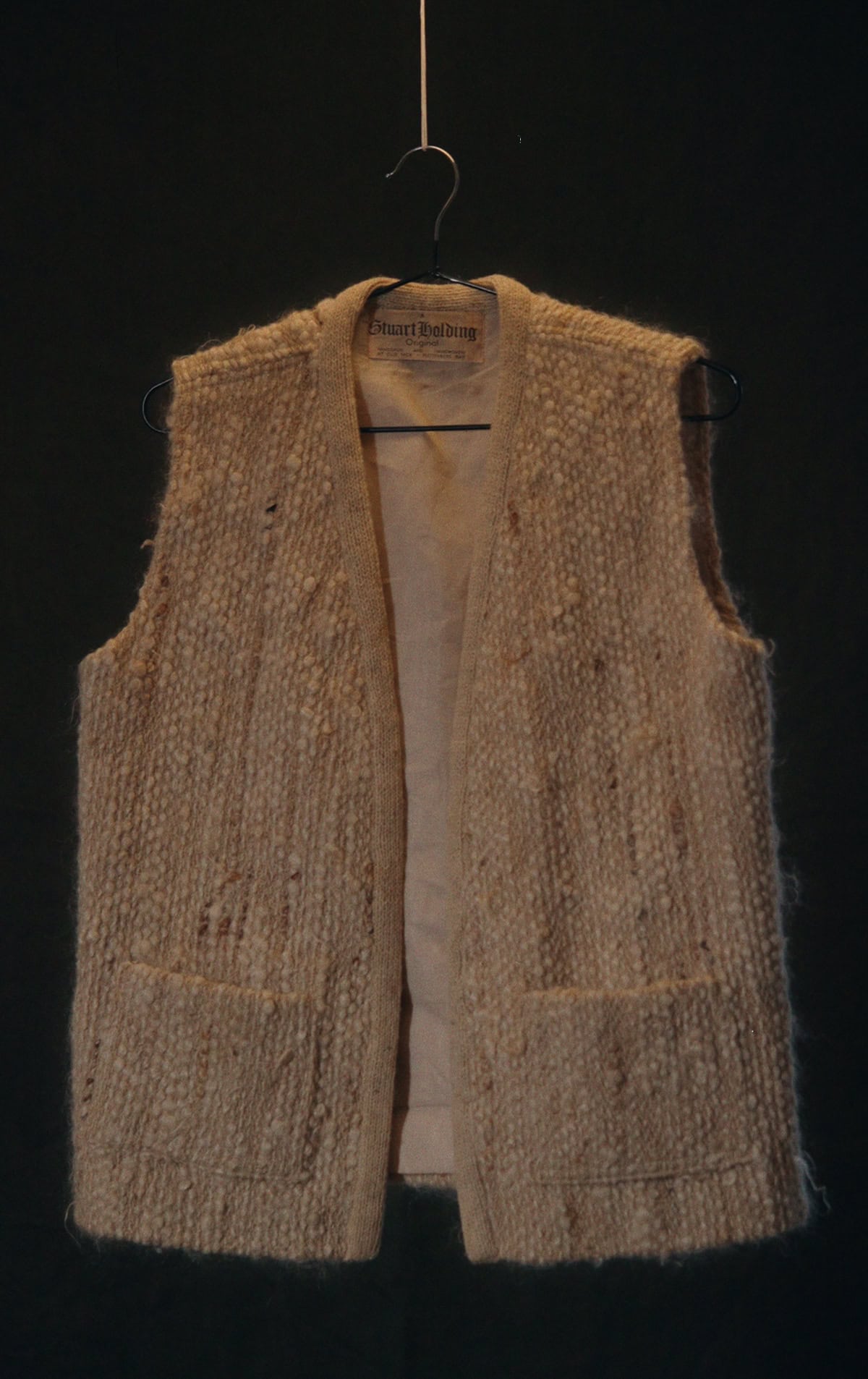
A Stuart Holding original
Original label
Recently we received an email from America. Someone had come across an old Stuart Holding jacket and wanted to know where it came from, and what it might be worth. When asked the question, Stuart’s response was characteristically dry: “It’s either priceless or it’s worthless.”
When asked the question, Stuart’s response was characteristically dry:
“It’s either priceless or it’s worthless.”
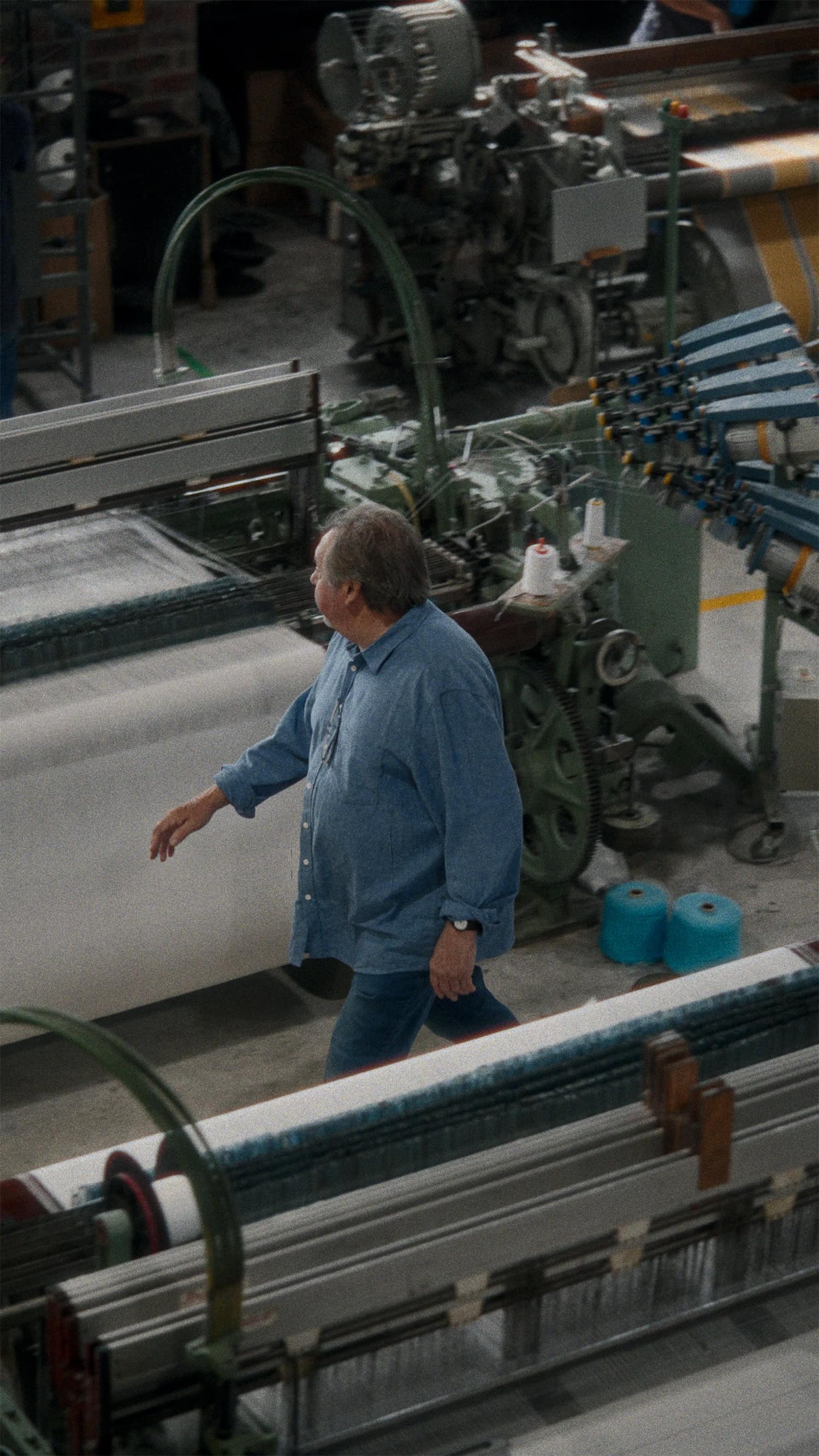
And now I’m thinking: what is the value of a garment that has survived for half a century and a well-travelled one at that?
But Stuart would tell you, they weren’t woven to be collectables. They were made to be worn.
It’s a philosophy that found its way into Mungo too.
Our products are designed to be used. Yes, they are beautiful. But we make them to be used… as well as admired. We want them to form part of your everyday life, not hidden in the special drawer.
My favourite kitchen cloth isn’t the newest one in the cupboard. It’s the one I burned on the stove while making pancakes for my daughter. The same one I filled with pecan nuts and attacked with a hammer, leaving a constellation of tiny holes. It’s the cloth I reach for every time. (And as you can imagine, we have rather a large selection to choose from.)
I think maybe that’s the true value of textiles. Not their rarity or condition or even their price. But their usefulness.
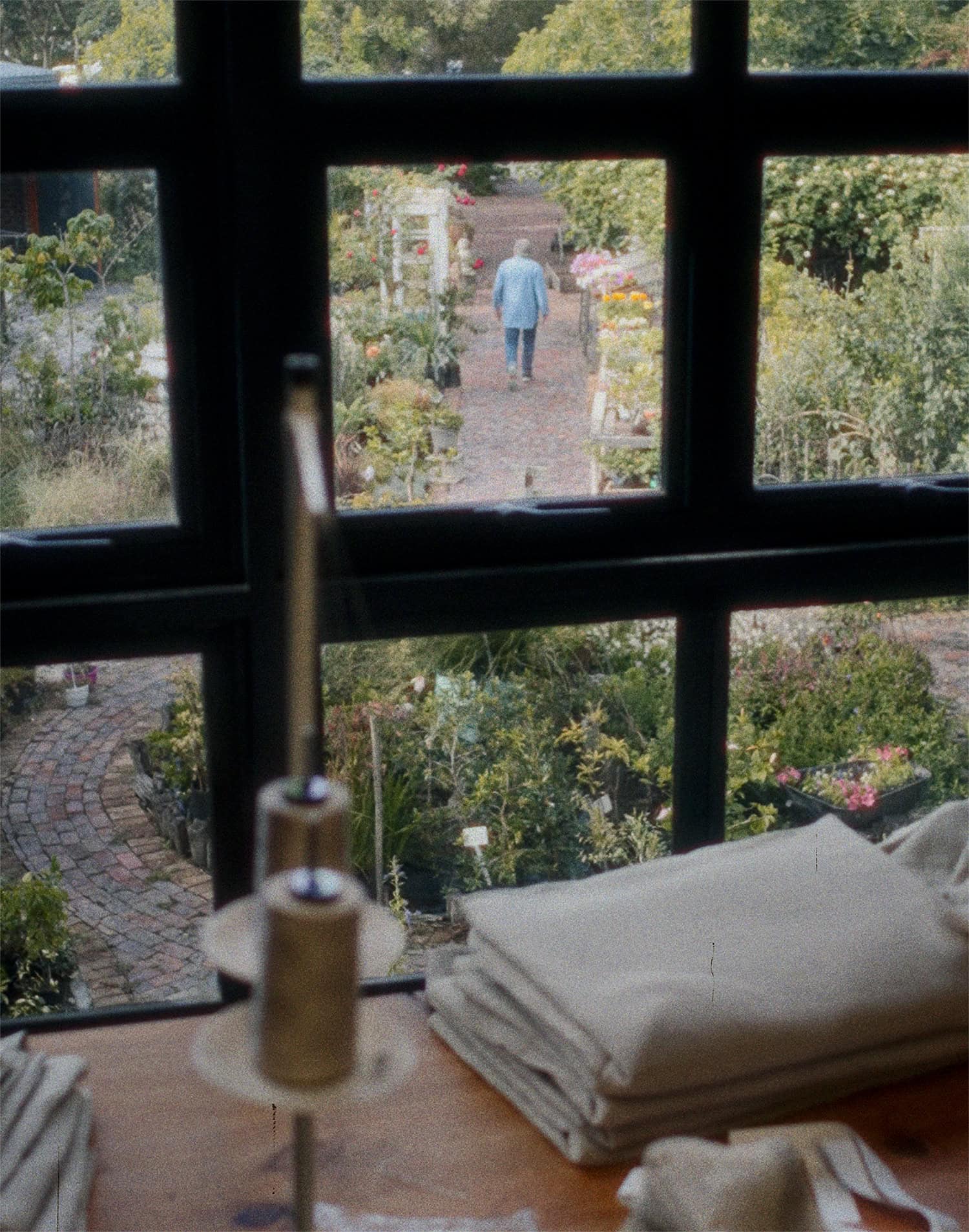
“I think maybe that’s the true value of textiles. Not their rarity or condition or even their price. But their usefulness.”
– Craig Harding, Mungo “web guy”
The old Stuart Holding jackets tell the same story.
They have lasted because they were made well. They have stuck around because wool is an amazing fibre. And they endured because they were loved enough to be worn.
Or maybe mothballs really do work.